Marcodp
Members
-
Joined
-
Last visited
Everything posted by Marcodp
-
I have just been asked a question which I was sure I knew the answer to, but you never know :-) .... one is always open to learning :-) I have a north facing roof, with no trees or obstructions creating shade, on which I have 3 strings - 2 of the strings consists of 8 x 375w panels (total of 16 x 375w panels) and a 3rd string of 8 x 545w panels. The roof area does not allow for all the panels to be installed in Portrait which means that 2 panels in the 3rd string had to be installed Landscape orientation - see picture provided. The question is if anyone sees any issues with this - mounting a number of panels in a string as portrait and others landscape? Note: I cannot split the 2 Landscape panels out into another string as the startup voltage requires more than the 2 panels can produce and there is no space for any additional panels to be added. PS: If you ask Google AI the question it comes back with: Yes, you can mount solar panels in the same string with both portrait and landscape orientations, but it is not recommended because it can lead to inefficiencies and potential performance issues. Mixing orientations within a single string can cause power losses, especially if there is partial shading, because the different panel layouts can affect how bypass diodes work. For optimal performance, it is best to dedicate each string to a single orientation. Mindful that I mentioned there is no shading or obstructions and all panels are facing North - does anyone have any thoughts/input as to this being a real issue or am I good with the way it is? In the spirit of learning, any thoughts or input is always appreciated Thanks

-
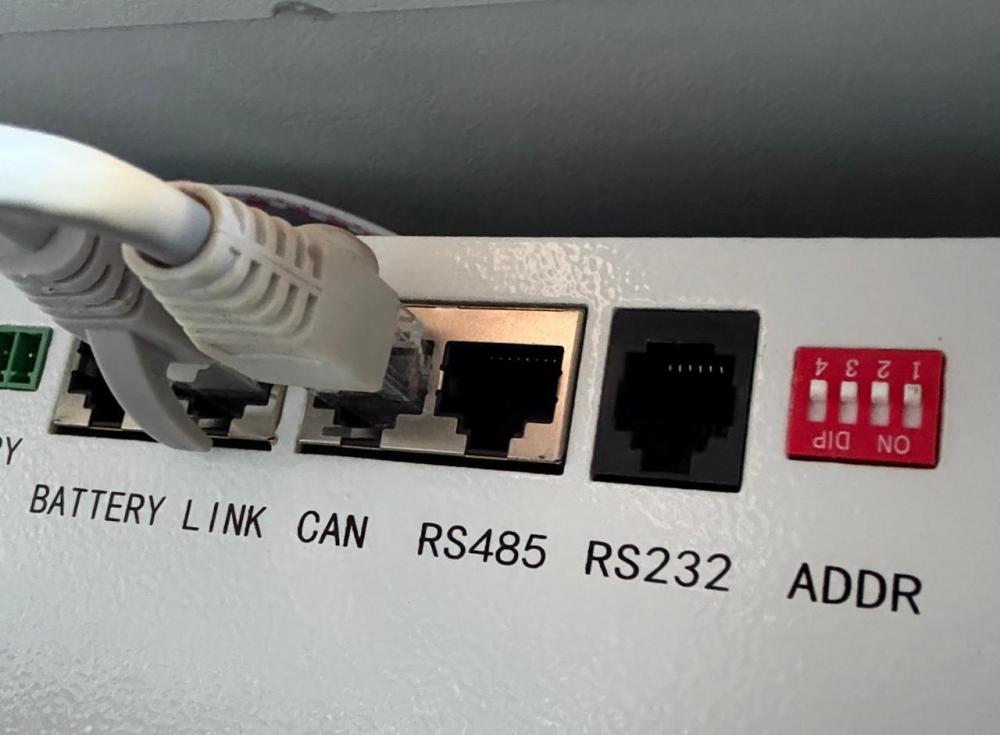
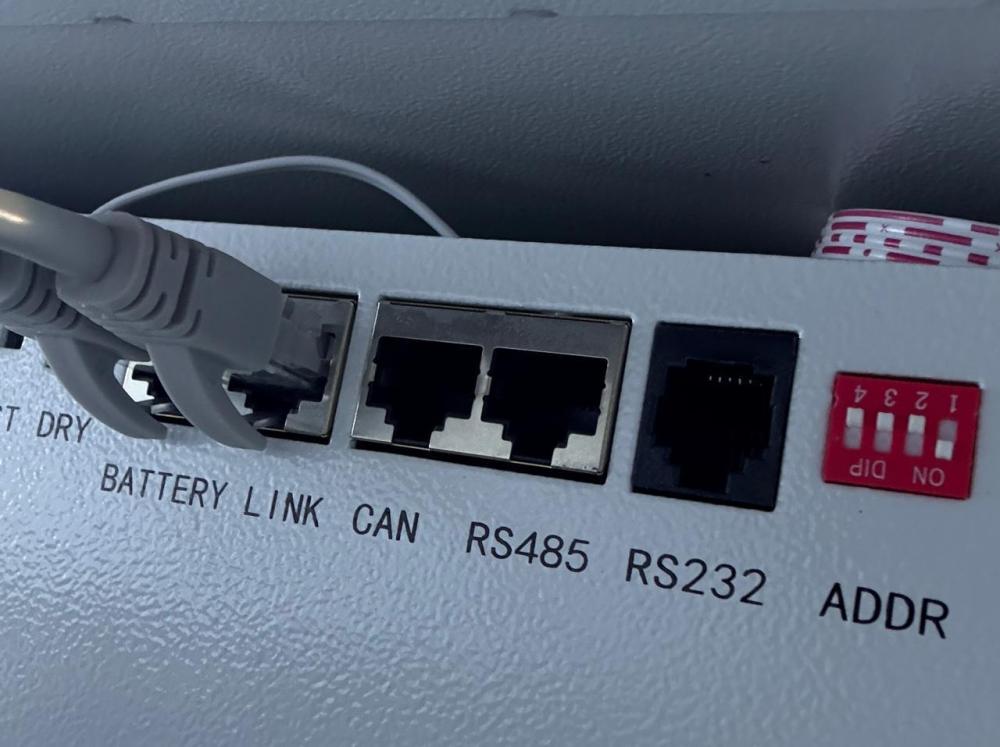
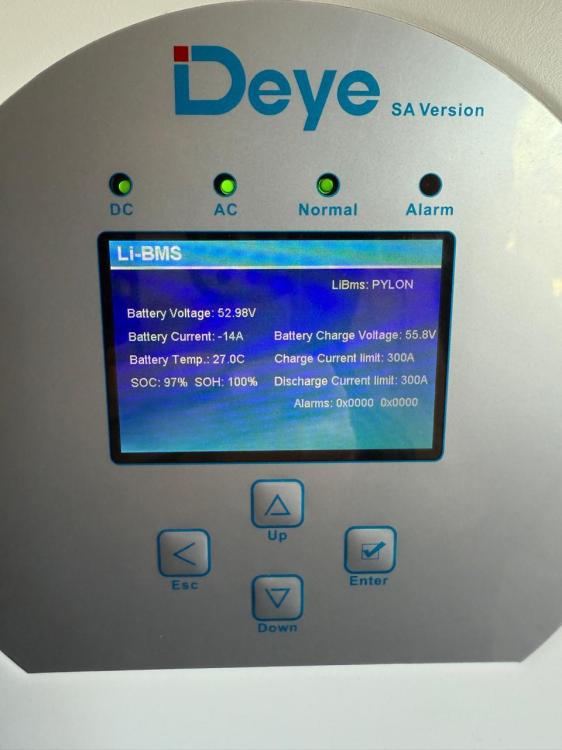
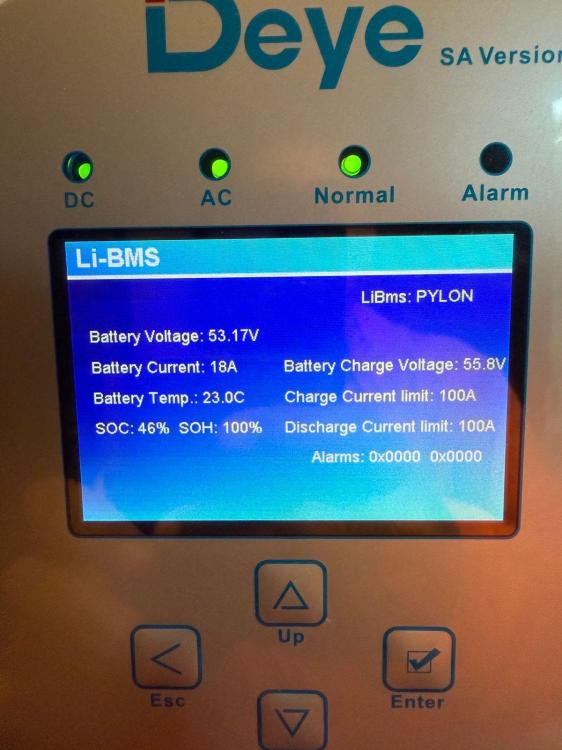
PROBLEM SOLVED! I am actually a little embarrased as I should have checked his settings before posting - nevertheless the point here is never assume that your installer setup your installation correctly :-( In essence, everyone was correct - the dip switch settings on 2 batteries were wrong as well as the communication cables were not in the correct ports - thanks @-cK- and @I84RiS - your posts made me double check my friends settings and we found it. Herewith the correct settings / cable ports (he has a 12kwh Deye Inverter with 3 x Hubble AM-5 batteries). The Picture of the Li-BMS now shows the 300A that was missing previously :-)

-
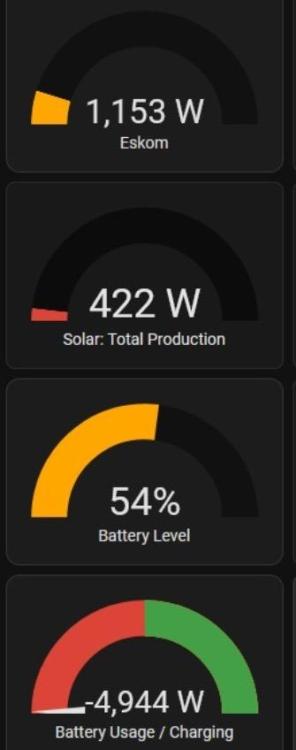
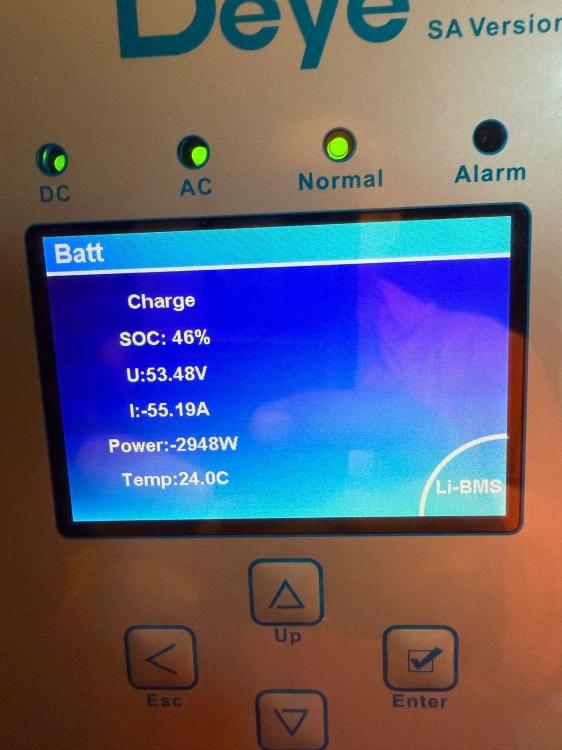
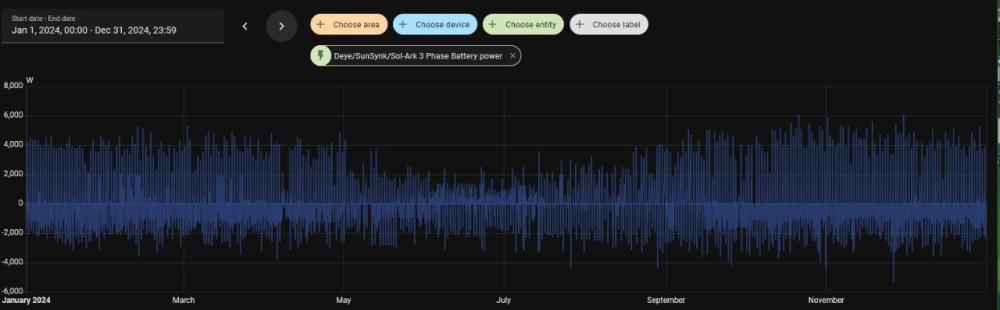
Hi, I am posting this topic on behalf of a good friend who is questioning the discharge of his Hubble AM-5 batteries - he has a Deye 12kw 3-phase Inverter with 3 x Hubble AM-5 batteries with a total of ~15kwh (installed approx. 3-years ago). The Hubble AM-5 batteries are 1c batteries, so in theory he should be able to discharge at approx. 7kwh) Hopefully someone can provide some insights into why the below is happening/what is configured incorrectly. In summary, looking at his battery use, the discharge never seems to exceed 5k from his batteries even if his load exceeds that - as an example, I have attached a picture/graph showing his load above 6k (6311w) and yet his batteries are only providing 4.9k and he is pulling the rest from Eskom (1.15k) even though there is battery capacity available - why would this be happening as he should be able to pull the full load/requirement from his battery (and pull zero from Eskom). I have also attached his battery settings and BMS as well as a graph from Solar Essentials showing his battery has never exceeded 5k Does anyone have any insights into why this behaviour could be happening? Thanks M


-
Thanks Bobster, the question was more around the Eskom requirements (I already have a CoC) but there are other requirements posted by Eskom- I eventually got hold of what I understand is the correct info (form) which needs to be signed by a ECSA professional (PrEng or PrTech) registered person (see attachments below) - this is on top of the CoC from what I understand. Regarding the meter, I understand the thinking (to be able to feed back into the grid/sell excess back to Eskom), but what if a person does not want to do this / will never want to do this - does one have a choice or is it set in stone that a person must just pay the fees (R3.5 to R4.8k) and get a new meter and so be it? - I currently have no intention to sell excess back to Eskom and do not need/want a new meter so the thinking is why then must a person pay R5K for something they do not need or want (that is what a CT coil is for) But that said, thanks for the insights - all input is always appreciated. DistributionSmall Scale Embedded Generators - DistributionOur shift towards more integrated electricity systems and new energy solutions has seen a growing number of consumers generating and distributing their own Compliance-Certificated-report-from-Customer-REV-AprilFinal.pdf 20220401-Eskom-Application-Form-for-SSEGAprilFinal.pdf 20240703-SSEG-Application-process.docx.pdf
-
Hi, I understand that those with solar installation have to register with Eskom before March 2026, in order to avoid penalties - I further understand that Eskom is waving any potential registration fees until this time for systems below 50 or 100 kwh. I also recently received a SMS from Eskom as follows: Eskom ref 969...... A photovoltaic (PV) installation has been identified on your property. Please apply to have your installation authorised to avoid and further action. For more details, visit: https://www.eskom.co.za/distribution/small-scale-embedded-generators/ I did a quick search and found the Eskom Requirements as follows: Eskom on solar registration fees | South African Government https://www.gov.za/news/media-statements/eskom-solar-registration-fees-01-apr-2025 Looking at this website, I extracted three requirements, as follows: Ensuring that equipment complies with South African standards (NRS 097-2). This will remain in place until the SABS finalises Low Voltage Regulation rules for SSEGs. Having a registered engineer or technologist sign off on the Embedded Generator Installation (EGI) report to ensure the safe integration of the system, as requested in the NERSA guidelines. Obtaining the required Certificate of Compliance (CoC) for internal wiring of the property I then see that: One must pay a deposit of between R3500 to R4800, and Eskom will install a and code the Smart Meter and the customer will be converted to the Homeflex tariff. I have 4 questions, on the above requirements, that I am hoping can be answered: Question 1: Where can these South African standards (NRS 097-2) be found? - how does a person determine if their system meets these standards? Question 2: Where does a person find a registered engineer (or technologist) to sign off on the Embedded Generator Installation (EGI) report - I am Cape Town based (Does anyone know anyone) Question 3: Why do we need a smart meter (do they actually come and install these?) - what is this going to do for a person (is it better or worse than the current meter) Question 4: What is the Homeflex tariff - is this a higher or lower rate ? .... can anyone throw any light on this tariff and what this means (in laymans terms)? I am sure many people have these same questions so I am hoping we can start the discussion here. Thank you Eskom Solar Registration - Google search 11 July 2025.pdf
-
Hi Marius - do you still have these?
-
Just for Interest - I also found this on the diysolarforum - I think this is on a 16kw Sunsynk inverter Deye 16K and SunSynk, Neutral/Earth(Ground) Bonding in "Signal Island Mode" HOWTO | DIY Solar Power Forum Perhaps someone will comment on the accuracy of this post/diagram from 25 Feb 2023?
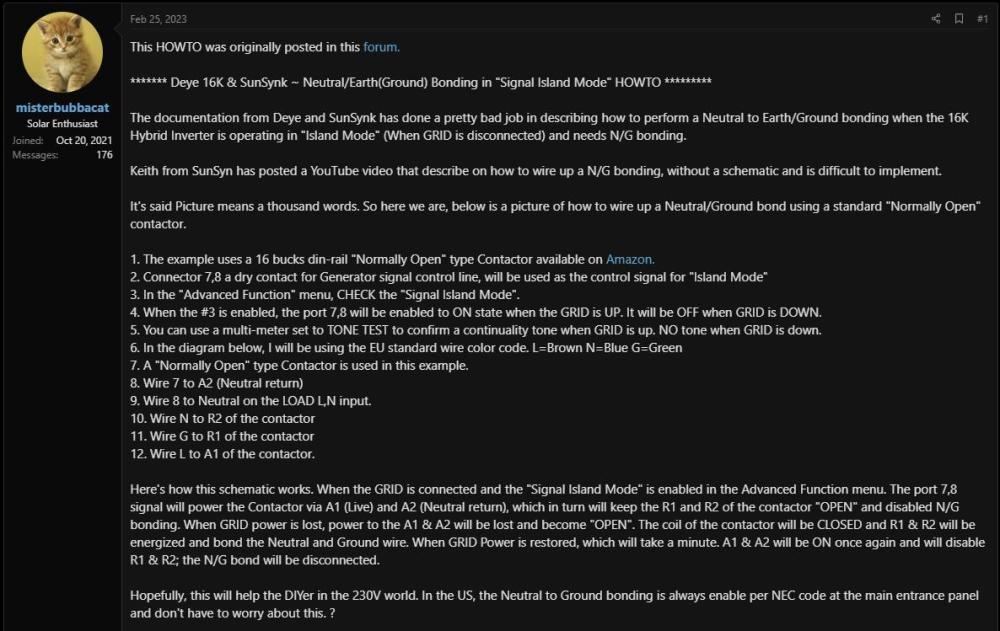
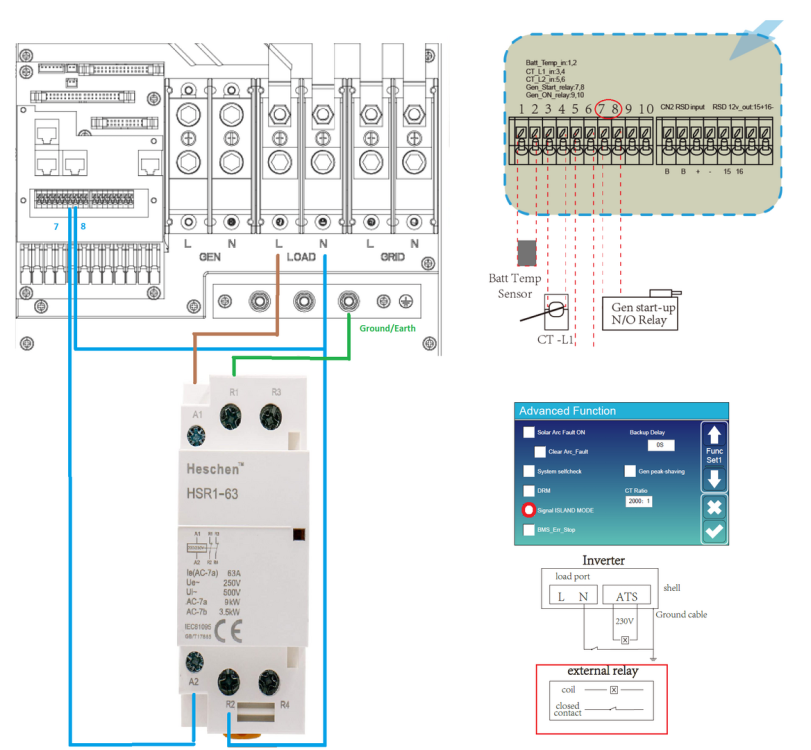
-
Hi I recently got into a discussion on Neutral Earth bond on Sunsynk/Deye inverters and have found that many of the people I know dont have this installed / setup in their installations (although they have CoC's) I understand that this is a requirement to obtain a CoC nowdays, and wanted to ask those that know, how one would set this up / wire this on a Deye/Sunsynk 8kwh Inverter. I have tried to read up on this but the threads can get a bit confusing so I wanted to try simplify it if possible. As a starting point, I looked at both the Sunsynk & Deye Manuals - see image (both use ATS as the trigger?) If this is correct, would the 2nd figure shown be the correct way to wire a Contactor (Normally Open 20a) - any input/corrections would be appreciated.
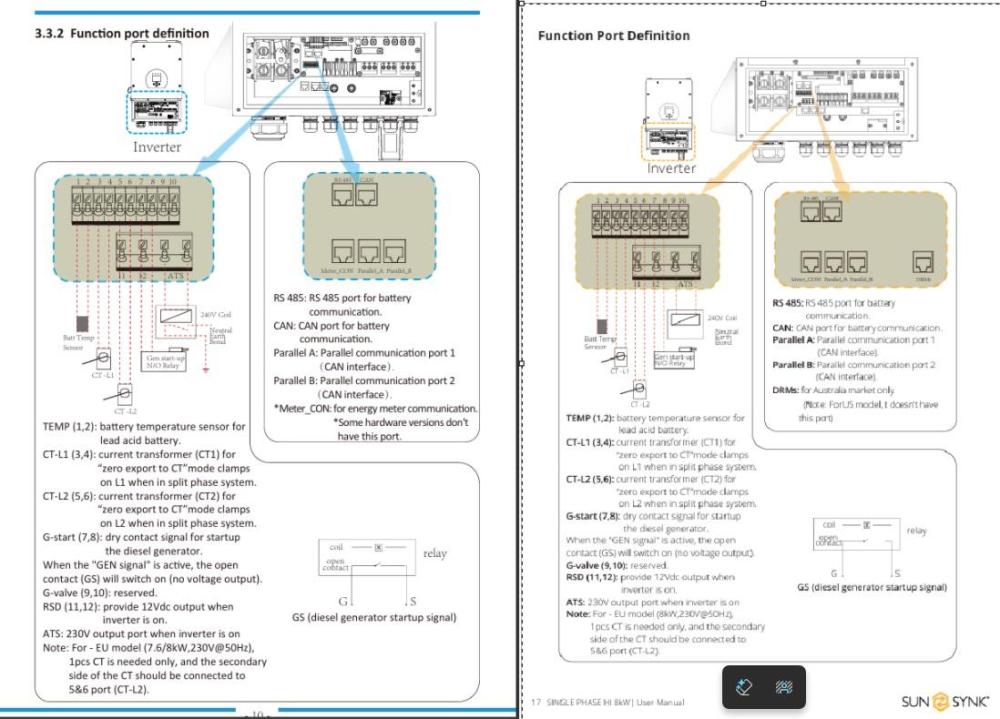
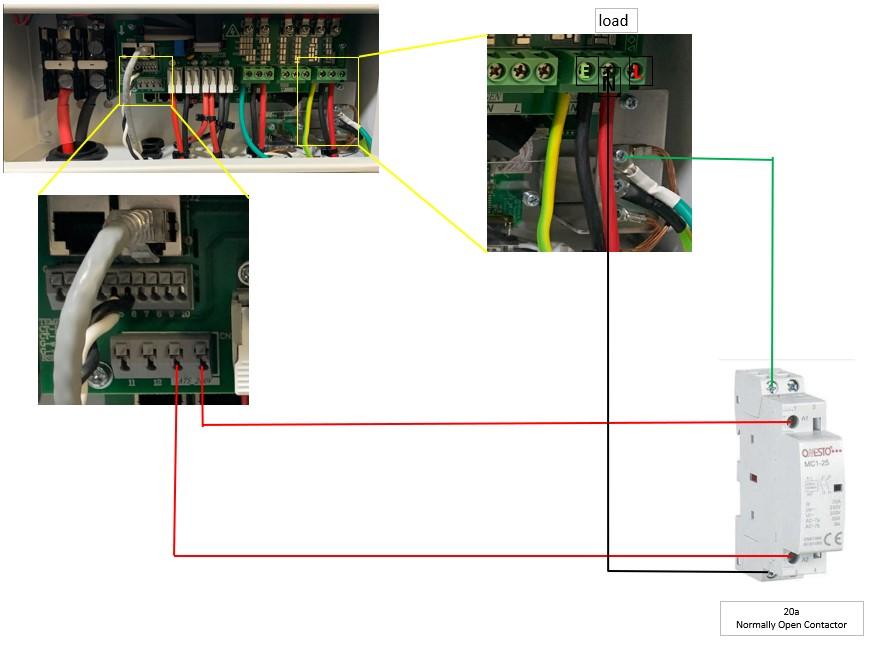
-
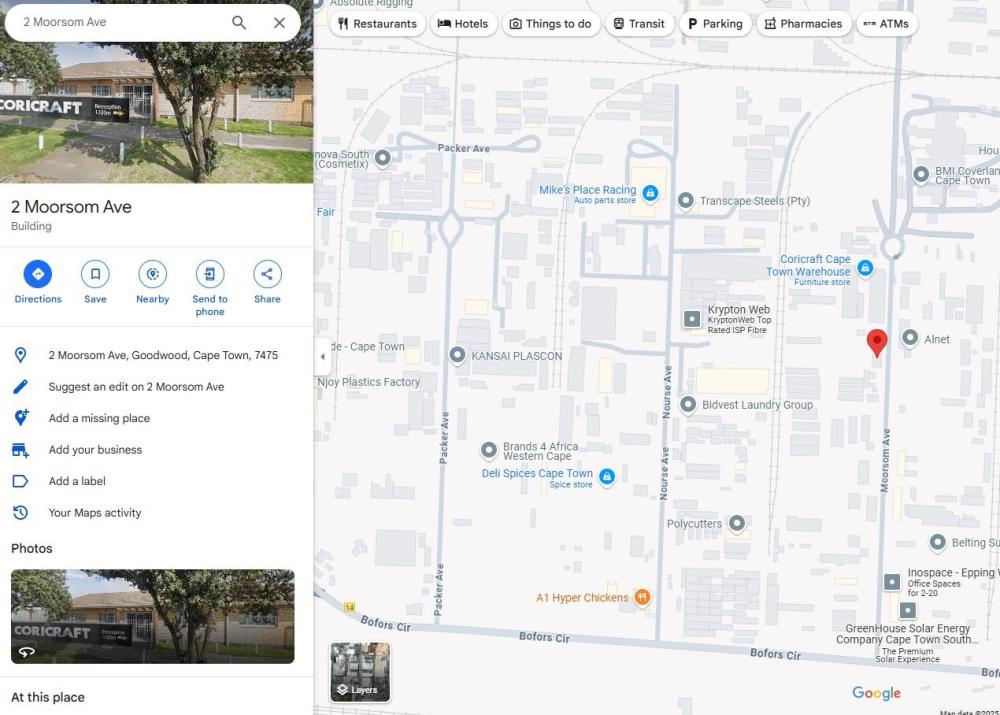
Does anyone know of, or dealt with, this company: https://gotechenergysolar.co.za Prices look good (too good actually), and their listed address is Coricraft according to Google Maps? Their "need help" link goes to Google as does the "Sales Team" link on their home page. Their returns policy refers to Unboxed deals, Online Course codes and Bundles - none of which are sold. They also duplicate products on the website with different prices (e.g. Dyness BX51100 for R13.4k and another for R14.9k) Their FAQ's page references a number of pages on another US based website https://www.energysage.com/ Just too many red lights!

-
The Solar industry is just as susceptible to fraud as is any other industry - know how these guys operate: Firstly, this website is hosted by Cloudfare who hide behind company disclaimers, and the site owners/registers are almost always Gmail accounts. In essence you can report them (i.e. Cloudfare & gmail), but chances are not a lot will happen - if you do by chance get it right these guys just establish new sites and new email accounts and continue operating. When payments are made, the second the funds hit their bank account the money is moved - this makes recovery nearly impossible (so the funds are effectively gone). When their accounts are frozen (reports of fraud), the accounts are just abandoned and new accounts opened. Upside - SA banks are governed by regulations managed by the Prudential Authority (SARB) - some of the regulations include FICA and KYC (Know Your Customer) amongst others: Banks are obliged to: * FICA all clients * Complete Anti-money laundering checks * Complete KYC (Know your client) and have the details on hand, including: * A valid SA id * Proof of Address * Income Tax (SARS) * Bank Statement * Tax clearance certificate (if offshore) * Proof of authority (if acting on behalf of someone) They are also obliged to: * Do ongoing monitoring * Understand their client's business structures * Understand their client's source of income/wealth google the above to check ... They at minimum must have their clients ID(s) and the details of the bank account owners and should provide these to SAPS. Follow the money and you will find the individuals responsible - from a money perspective, as much as we would all like to recover our cash, in most instances you will need to write this off against a hard lesson / school fees 😞 - avoid cheap prices and buy products from companies you know as legit (even if more expensive).
-
Check out the response I just got from them now - probably after they saw my post above. Their SCAM is obvious for all to see ... most certainly a fraudulent company/website..... it needs to be shut down!

-
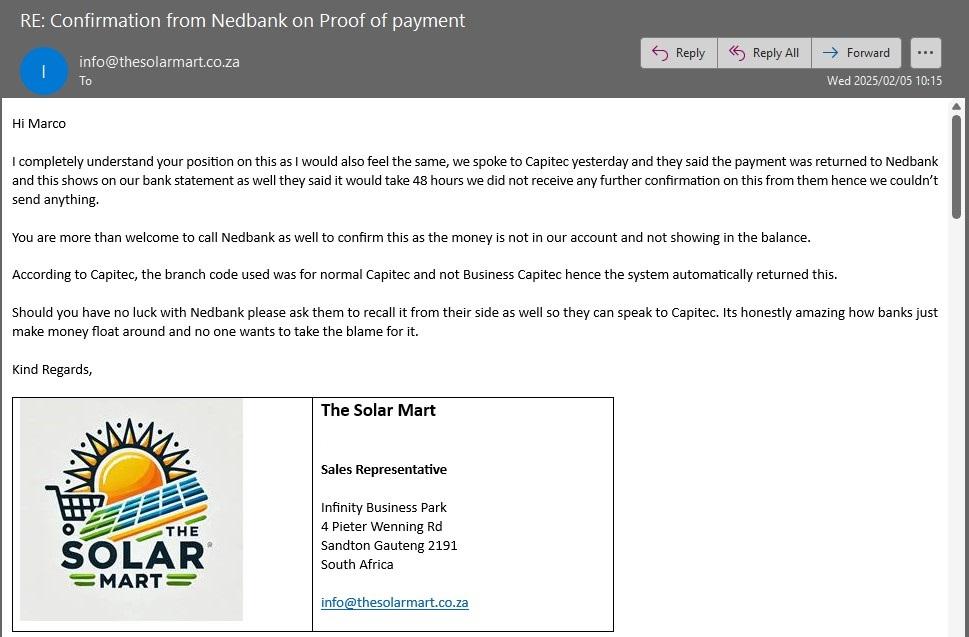
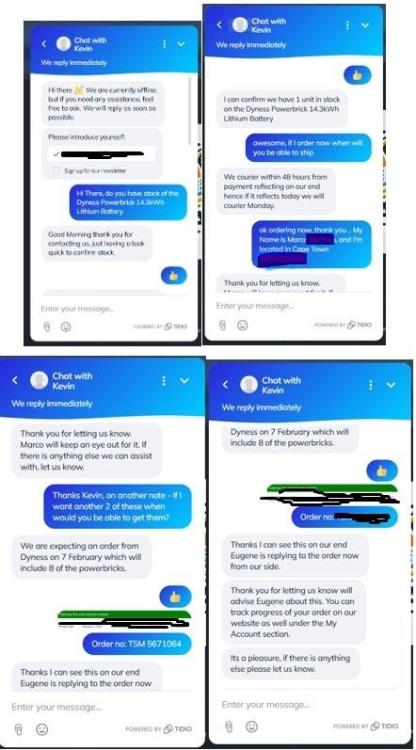
Hello all, I initially posted some feedback (above) and then edited my feedback to "interesting" after I got a threatening email from them to take things further (see pic below) - read it ("persuade further" 🤐)... and then updated again with a summary after posting the below. In summary - as it stands today (06/02), it looks like my money is gone - I have opened a criminal case of fraud against this company and reported them to their bank. Read my experience and make your own mind up. PS: Herewith some initial warning signs that I missed: No phone Number, no unit number shown on their address and they only accept EFT...oh and they only have 1 unit left (isn't this always the case to hook you). I also called the Infinity Business Park property administrators who did not know of this company. Here is my experience - They are excellent responding to the chat on their website as well as by email. Thier site looks good, and their prices look even better than most (maybe this is also a warning sign) ... in short everything looks legit. You can create an account, log in and track your orders etc. In my experience, there is nothing that makes one feel there is something wrong. After chatting to them on their website (they were very responsive) I placed my order (I have attached my chat as reference) - everything sounded great. After I placed my order, their response was excellent, an account was created for me, I got an invoice, and I got an email advising me of EFT details - I was advised that the order is on hold until payment had been received. The email correspondence looks excellent, wording and language is good all very professional. I paid immediately by EFT and advised them I had done so - they advised that they ship the goods once the funds reflect into their account. all good so far .... so, I thought 😞 As my order was placed on Saturday and I belong to another Bank, I did not expect the funds to reflect on Monday, so I let Monday pass. On Tuesday morning I emailed them and asked for an update where they responded that the money had not yet reflected into their account. This seemed strange so I contacted my bank (Nedbank) who advised that Capitec had received the funds on Monday already and sent me a bank PoP which I then forwarded to them and asked for an update. They responded (relatively quickly) and advised that they would send this to their admin dept to check. then silence for the rest of the day ... On Wednesday morning I sent a follow-up email advising that since they had received the funds on Monday, if they did not ship the goods, they need to cancel my order and refund me (by this stage I was already very anxious) Their response was professional ...but look at it and you will see its rubbish - I attached it below for all to see (honestly people must think everyone is stupid) - they first tell me the money was returned and shows on their bank statement...... then later they say it was a normal Capitec branch code and not a Business branch code that was used (really??) - and then tell me to ask the bank to recall it (I thought is was already returned) .... look at the feedback and make up your own mind. It is now Thursday, and I have no goods and no money and no further feedback - the bank believes that there is little chance of recovering the funds. Looking at the above and the pics below - will you buy from this company? Clearly, the stupid person here is me - I just got scammed for R33k - I am beyond pissed off Note: If anything changes - If I get my order or I get my money back, I will update this post... until then, the above is the current status!

-
This is a SCAM company/website ... read posts below - I was an idiot and got caught 🤬 (I was desperate and acted too quickly/irresponsibly after loadshedding kicked in last Friday) and ordered an additional battery for 33k (and lost the money). Hindsight is 20/20 vision 😞 Warning signs: No phone number, no unit number on address, loads of links don't work, some content is in the wrong place, returns include gift vouchers which is not sold, only accept EFT, and if you reverse lookup the pictures, they are all generic/copied from other sites and probably more if you look closer. I did a reverse google image lookup and found this site with the same pics: Danhofer Solar – your partner for high-quality photovoltaic systems I have opened a case of Fraud at SAPS as well as the local banks, including their bank which is Capitec. At this stage I am hoping I am the only chop that got caught by these SCAMMERS and want to make sure no-one else gets caught - this site needs to be shutdown, the money trail followed, and these bastards locked away for good. Perhaps an idea is for "The Power Forum" to start a page of Solar/Power companies caught out scamming people, Companies with Poor ratings etc, as a service to its members ... just an idea 🙂
-
I am hoping someone can provide insights into this scenario or has experience doing something like this 😀. I have an existing Solar installation which includes 3 x Dyness BX51100 5.1kwh batteries connecting to a Deye 8Kw Inverter. The current battery configuration is not sufficient, and I now want to add additional batteries into the mix - there are multiple options, but I have questions/concerns, as follows: Question 1. Can one add "new" batteries (of the same make/size) to a 2-year-old installation? - the specs say you can have up to30 Dyness BX51100 batteries in parallel, but my question is how will the "new" batteries impact the older batteries (or vica versa) or is this not something one should be concerned about? Question 2. Do you have to add the same make/model/size battery into the mix - as an example, can I add a larger Dyness battery into the mix - In other words, can I connect a Dyness 14.3 kwh Power Brick to the existing 3 x Dyness BX51100 5.1 kwh batteries (connect them all in parallel)? Question 3: Can one connect different makes of batteries together (i.e. a Hubble to a Dyness or other)? I have been trying to do a search for an answer to these questions but cannot find anything of substance. Is there anyone with real world experience or insights? Thanks
-
-
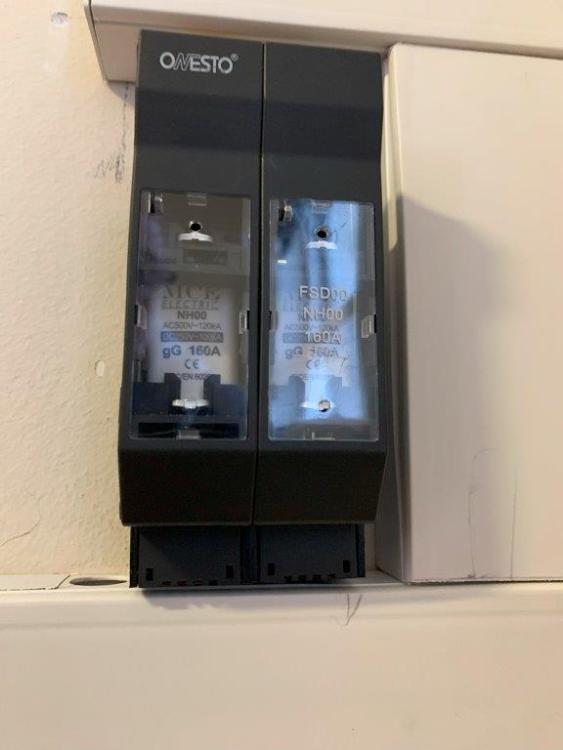
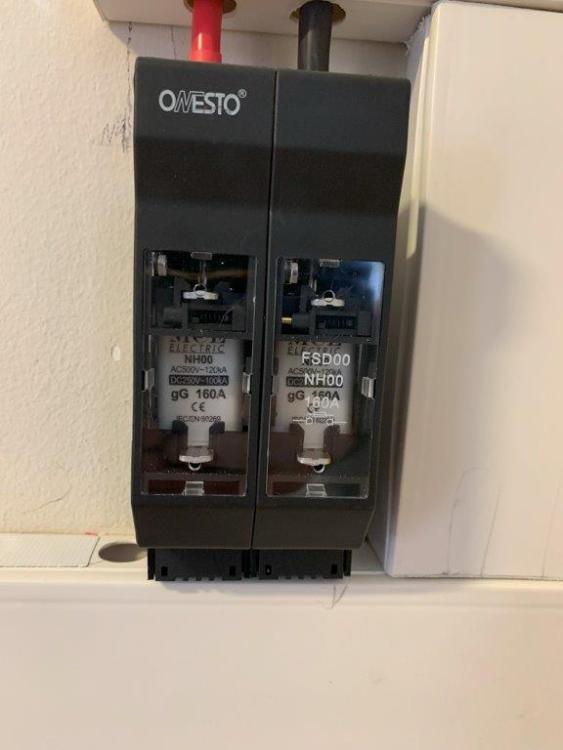
New Fuses installed:
-
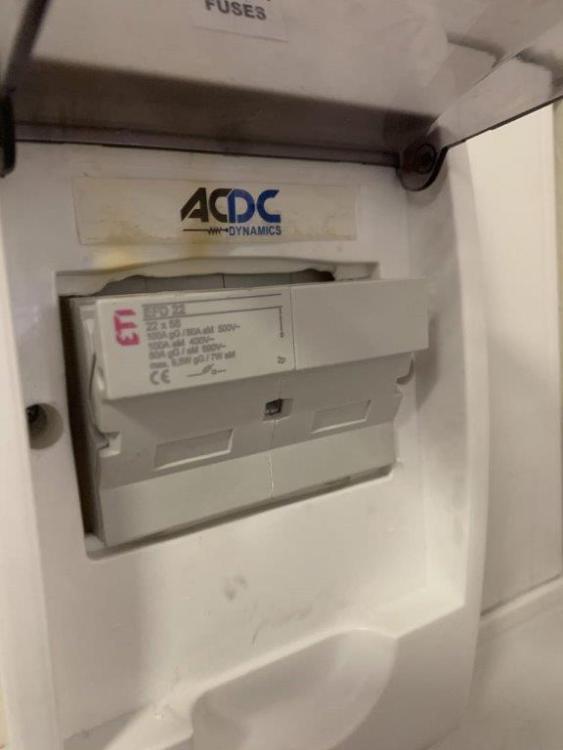
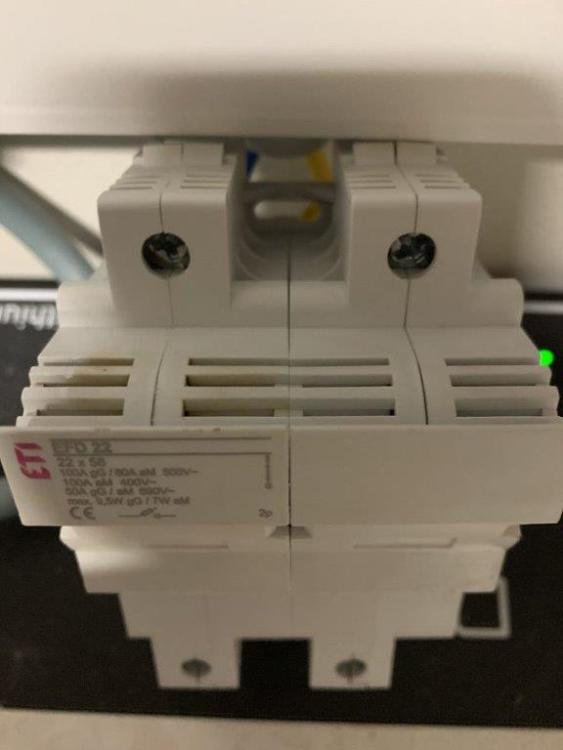
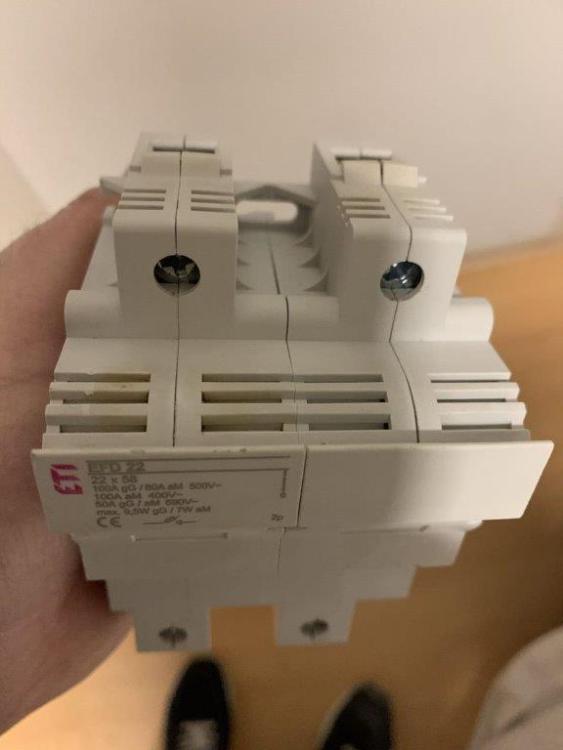
@Sidewinder, I am really not sure what could have caused this other than the Charge/Discharge setting set to high - any ideas? I have attached some pics, but I could not open the holders for love or money - they are fused shut.
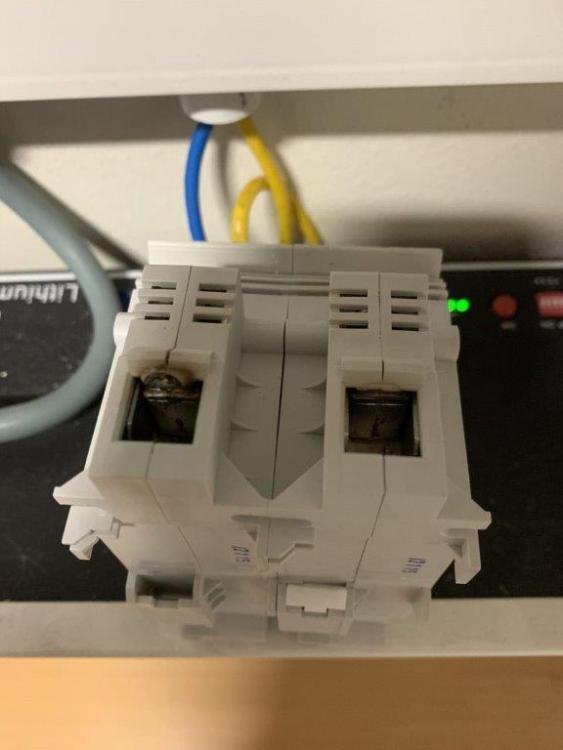
-
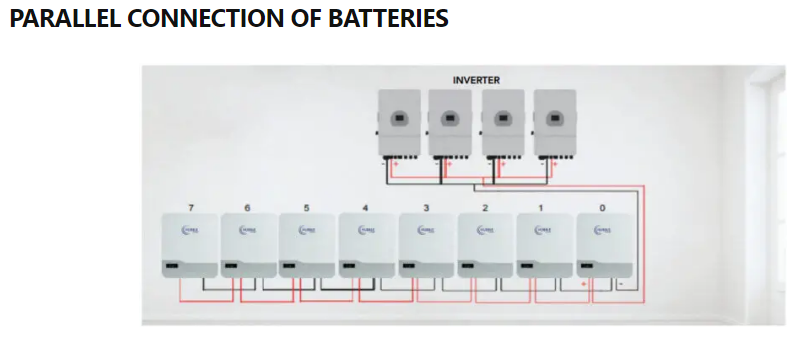
I forgot to add that one should be mindful that Fuses serve multiple purposes - they are there to protect the Inverter, the batteries and the actual WIRE. Without them any short circuit / excessive current or mismatched loads could potentially cause equipment damage or even a fire. Be Mindful that batteries installed in parallel maintain the voltage (V) but increase current (A) while batteries installed in series increase Voltage (V) and maintain current (A). Let's presume that most home installations nowadays utilise lithium batteries which are installed in parallel (see pics in earlier post) and therefore maintain their voltage and increase current for each battery installed. This means that in an average 5kw / 8kw Inverter installation with a single 4.8/5.1kw battery installed would generally be 48v/100A, and if 2 batteries are installed this increases to 48V/200A or if 3 batteries are installed this would be 48V/300A etc. If you are unsure, you can always use the formula: Watts(W) = Volts (V) x Current/Amps (A) Presuming the batteries are either 0.5c or 1c, the charge/discharge rates COULD be configured as follows: 0.5c batteries (in parallel): 1 x 5.1kw battery - 50A 2 x 5.1 kw batteries - 100A 3 x 5.1kw batteries - 150A 1c Batteries: (In Parallel) 1 x 5.1kw battery - 100A 2 x 5.1kw battery - 200A 3 x 5.1kw battery - 300A The big PROBLEM is most Solar wire (depending on the thickness which could be 16mm, 25mm/ 35mm) may only be rated somewhere between 80A to 180A. (Specs do change depending on the type and quality of the DC/Battery cable so best to check what the rating is when/before you purchase). The point here is if you set your charge/discharge rates at a higher rating that the cable is capable of, you are going to have trouble. The same for the fuses - make sure the fuses have a rating sufficient to protect the WIRE and the battery and that the Fuse is capable of supporting the Charge/Discharge rate else the fuse will either pop or melt. To bypass all these potential pitfalls, one could just configure the charge/discharge rates at 100A and be done with it - yes, the batteries would take longer to charge but, in most cases, this may not be an issue.
-
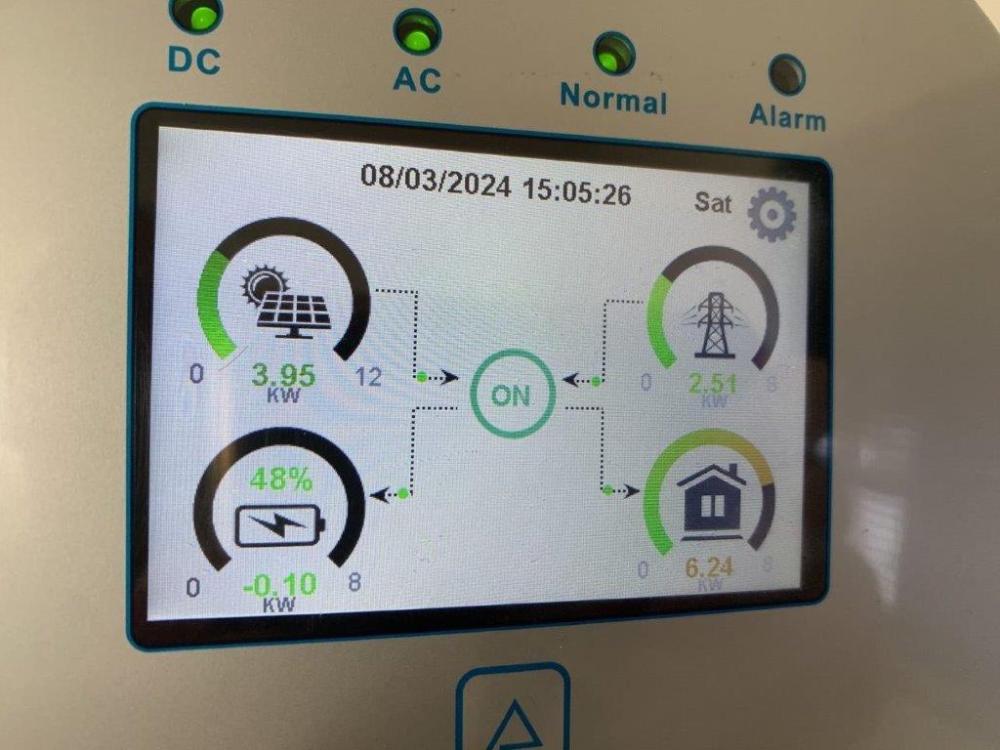
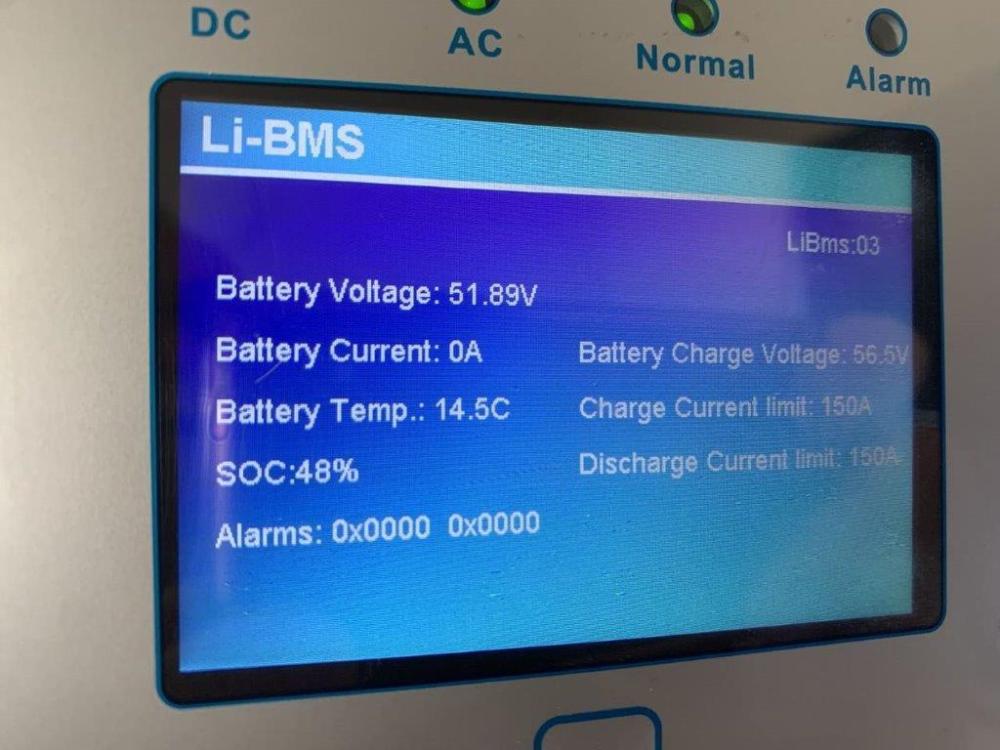
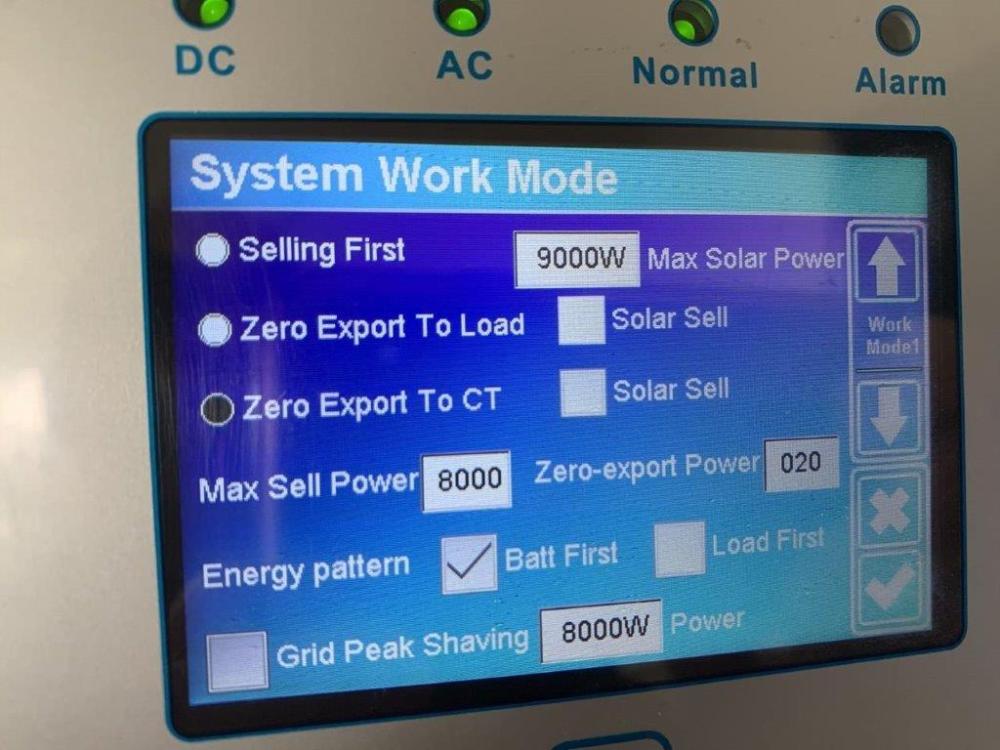
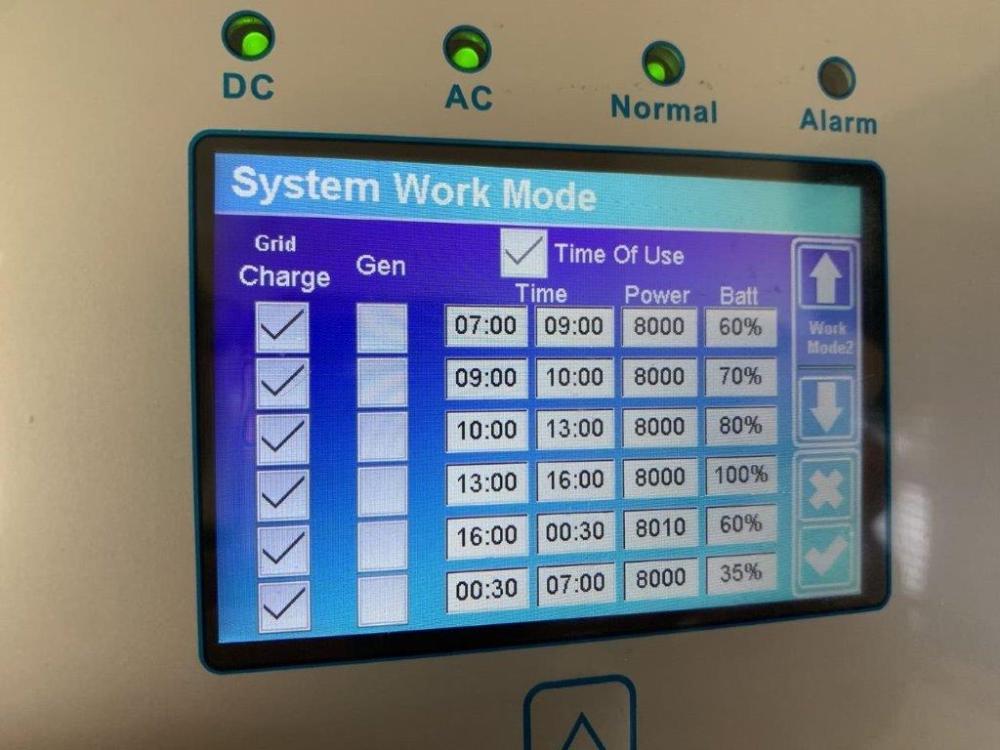
PROBLEM SOLVED! Hindsight is 20/20 😀 and thanks to all for the input / suggestions (all part of the learning process). I must admit, the issue did not make a lot of sense because there were Zero errors (nothing in the log and no indicator on the batteries other than not going past 48%). The installation had existed for 18+ months without any issues and Work-Mode was now turned off. While driving to my friend's house last night to continue looking into this issue (he's an old guy in his late 70's), I was thinking of the possibility that he may have changed something unsuspectedly (i.e. place a tick somewhere it should not be) as the touch screen can sometimes be finnicky and his eyesight not so good anymore 🙂 (don't tell him I said this 🙂 ), so I decided to Reset the Inverter back to Factory Default as a starting point and work from a clean slate as they say. Arriving on-site, that is exactly what I did and almost immediately after resetting the Inverter to default, a BIG message appeared across the screen saying: NO BATTERY This was NEW and forced me to check everything Battery related (cables, connections, fuses etc.) and I found it - the Battery Fuses had melted inside the holders I know there are those that would say you should have checked that first, and in hindsight possibly, but there was no visible indication that the battery connection was the issue or that there was a problem with the fuses (only when I eventually tried to open the holder and could not). Looking at the Pics is that voltage was flowing and the BMS was working (sort of 🙂 .... check the first 3 pics attached) and the batteries would charge up to 48%. If I had not Reset the inverter, the message may never have appeared .... I have no doubt we would have got there eventually, but this did save us a lot of hours 😅 So, what caused the Fuses to Melt? - before Resetting, I recorded the previous, settings and the reason for the fuses melting looks to be because the installer (or he) had changed the Max Charge & Max Discharge to 150A while he had 100A fuses installed, which is now so obvious - as I said, hindsight is 20/20 😂 Anyway, thanks to all for your valued input/suggestions (all part of the learning circle).
-
Thanks @Scorp007, let me try ....will feedback on outcome
-
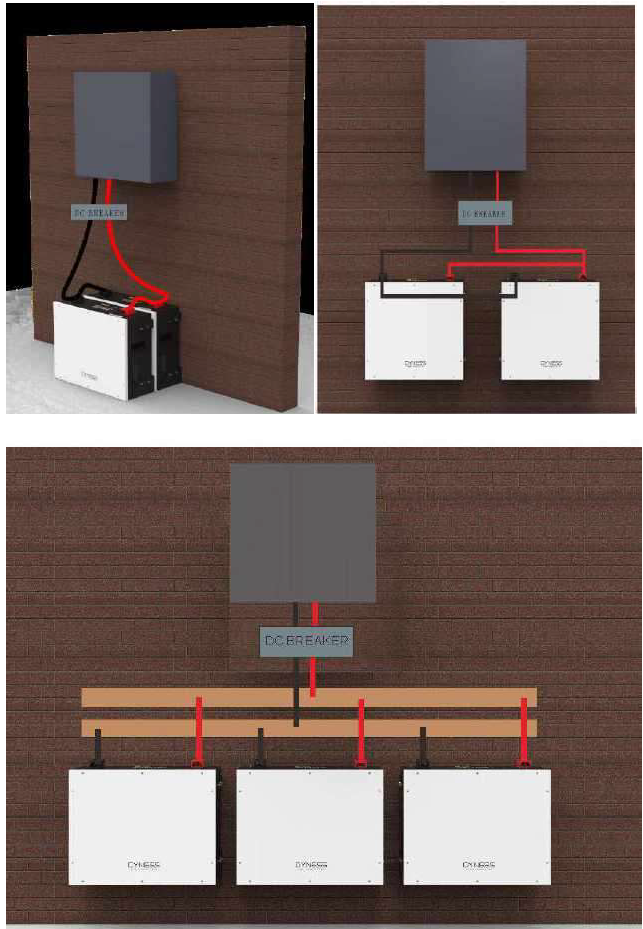
In my humble opinion, If the batteries are going to a busbar, then each battery would have its own fuse between the battery and the busbar and then between the busbar and the inverter you could place a DC cut-off switch as an option. If the batteries are connected in parallel, then a single fuse should suffice on the Positive line (some installers place a fuse on the positive & negative) The pics below serve as reference: These come from the Dyness battery manual but should be the same for most batteries: Dyness-5-12kWh-BX51100-Lithiumion-Battery-UserManual.pdf (sunkissedsolar.co.za) Herewith a pic of Hubble AM-5: AM-5 Hubble Battery | LFP Prismatic | Hubble Lithium (hubbleenergy.com)


-
🙂 good eye for picking this up 🙂 .... there are 4 strings ... each facing a different direction and paralleled at the inverter (he has an interesting roof design which was a challenge to ensure he received maximum sun throughout the day), so the voltage is all well within range (PV input Voltage (V): 370V (100V-500V)) however if you add up the wattage (20x550w = 1000w), this actually exceeds the max PV/DC recommended solar wattage of the inverter (Max. DC Input Power (W): 10400W), but there is absolutely no chance of that based on his panel placement even if one wanted to consider cloud edge (edge of cloud effect).
-
Hopefully someone has experienced a similar error or has and idea/knows how to fix this issue? A friend has a Deye 8K Inverter (SUN-8K-SG01LP1-EU) with 3 x Dyness BX51100 batteries with 20 x Canadian 550w panels. The whole installation has been running well for about 18 Months - about a month ago when we noticed the 3 x batteries will not charge past 48%. We checked for errors and there are none (nothing listed since mid 2023). We have checked the BMS (see pics below) also checked various battery settings (and adjusted just in case) without any joy. We have now also turned off using System work-mode just in case but still no joy (the pic still shows on but that was before we have subsequently turned it off) 🙂 Just in case, we have requested a firmware update from Deye which we are waiting for (Deye are very good so hopefully it should be completed in the next few days) I have included pictures of the settings... Has anyone experienced this issue and is there any ideas/suggestions to overcome the issue? Additional info: The batteries are installed as per manufacturer specs (page 18/19 of user manual below) and all cable lengths are the same Dyness-5-12kWh-BX51100-Lithiumion-Battery-UserManual.pdf (sunkissedsolar.co.za)
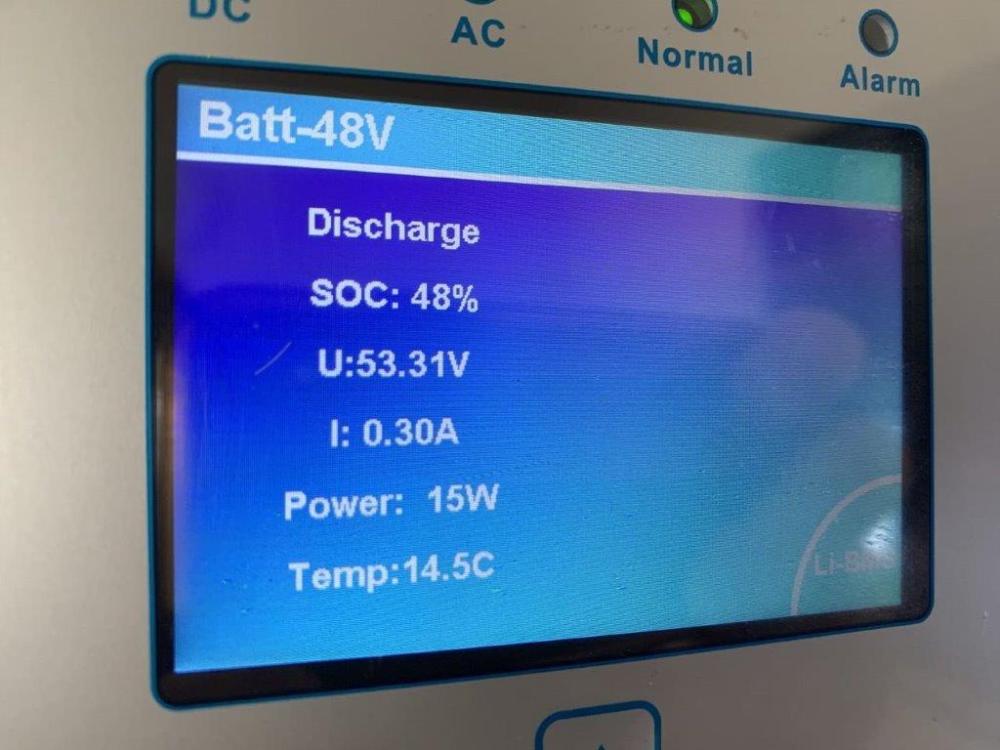
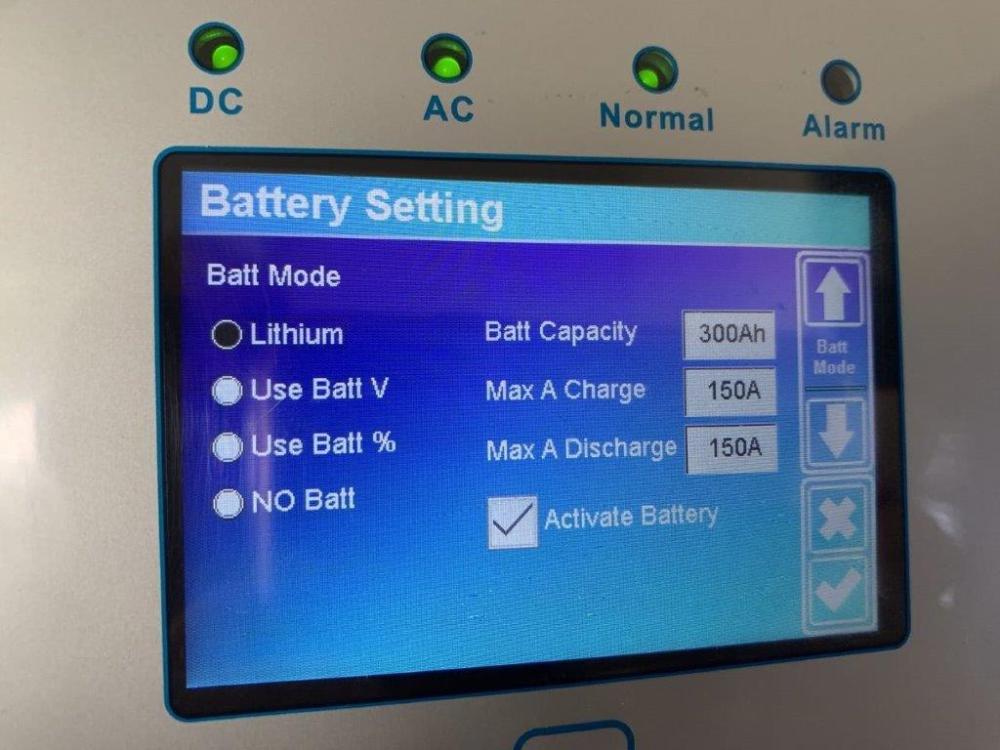
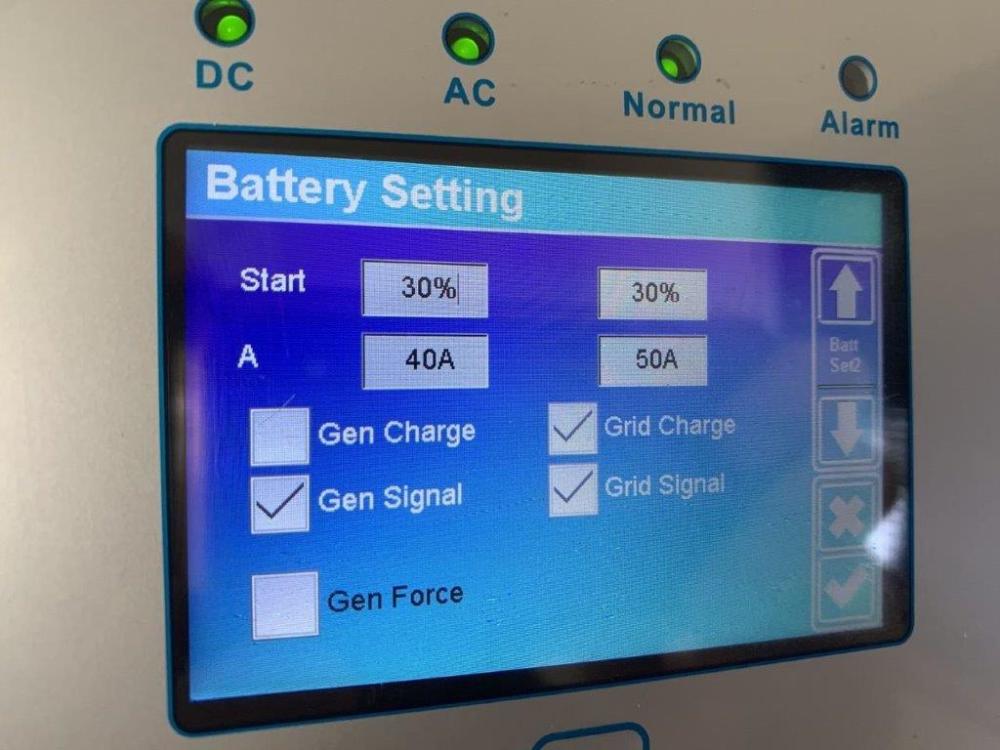
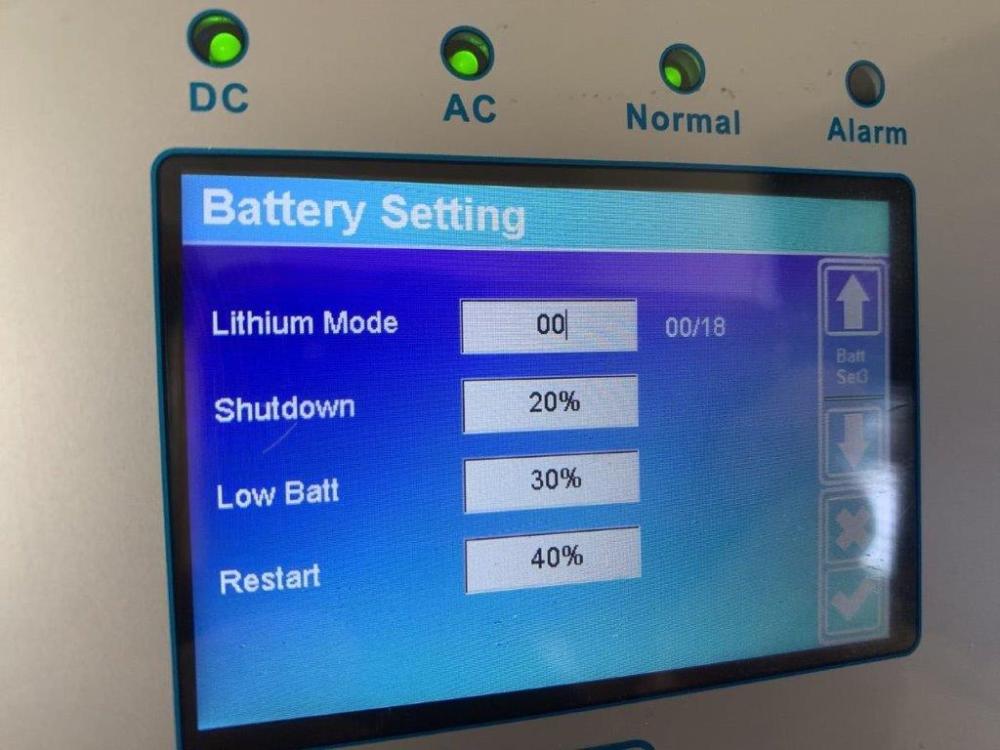

-
@BertKu, this is an interesting question and I suggest you talk to someone who has a PV green card, knows the regulations/requirements and issues CoC's. Mindful that you always want to be compliant with the regulator, you also (primarily) want to ensure that if something goes wrong your insurance company will pay you out. If they (your insurance company) say you do not require a CoC, ask them to send you that confirmation in writing and store this safely. My concern is not the trolley inverter, as I have never heard of a CoC being required for a trolley inverter (I could be wrong) but the solar panels which are fixed to your roof and the connection to your trolley inverter - if something unfortunate had to happen (e.g. you had a lightning strike or a short or some other unfortunate event) which causes damage to either the panels, your roof or your home, will your insurance company pay you out, or will they look for a reason not to pay? It's a very interesting point that you have raised and hopefully someone on the forum has the correct answer but, in the meantime, ask your insurer for a formal response to your installation and confirmation that you will be covered as this may be specific to the insurer. Anyone else got any ideas/thoughts?
-
@Jakac, yes I have pretty much max'd the MPPT's - the Inverter can take max 10400w and I am at 10360w. The Voltage however is the key metric, and I am at slightly below the 500v inverter limit, so in theory I could add additional panels as it is unlikely, I would get near the actual max wattage. From a generation viewpoint, consider I only generate what I use, so the max I have actually generated on any 1 day was around 45Kwh, with a daily average of around 35 kWh and just over 1 MWh in the month. I am in Cape Town, so generally start producing at 6am in summer and generate until around 8pm, with peak between 12pm - 1pm. Winter will be a lot lower, and with the panels only being installed recently, time will tell what the winter months will look like.