sjp100
Members
-
Joined
-
Last visited
Everything posted by sjp100
-
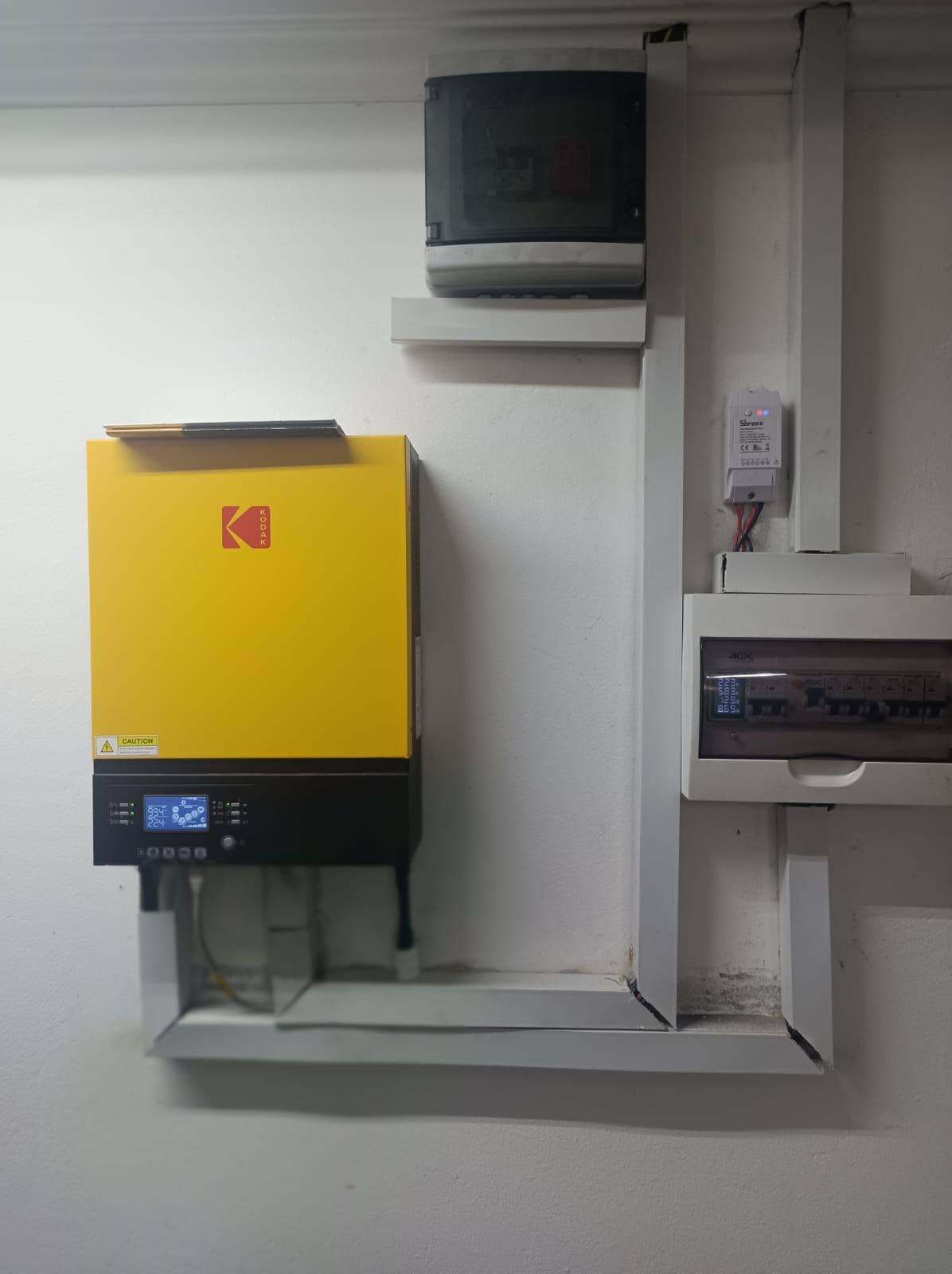
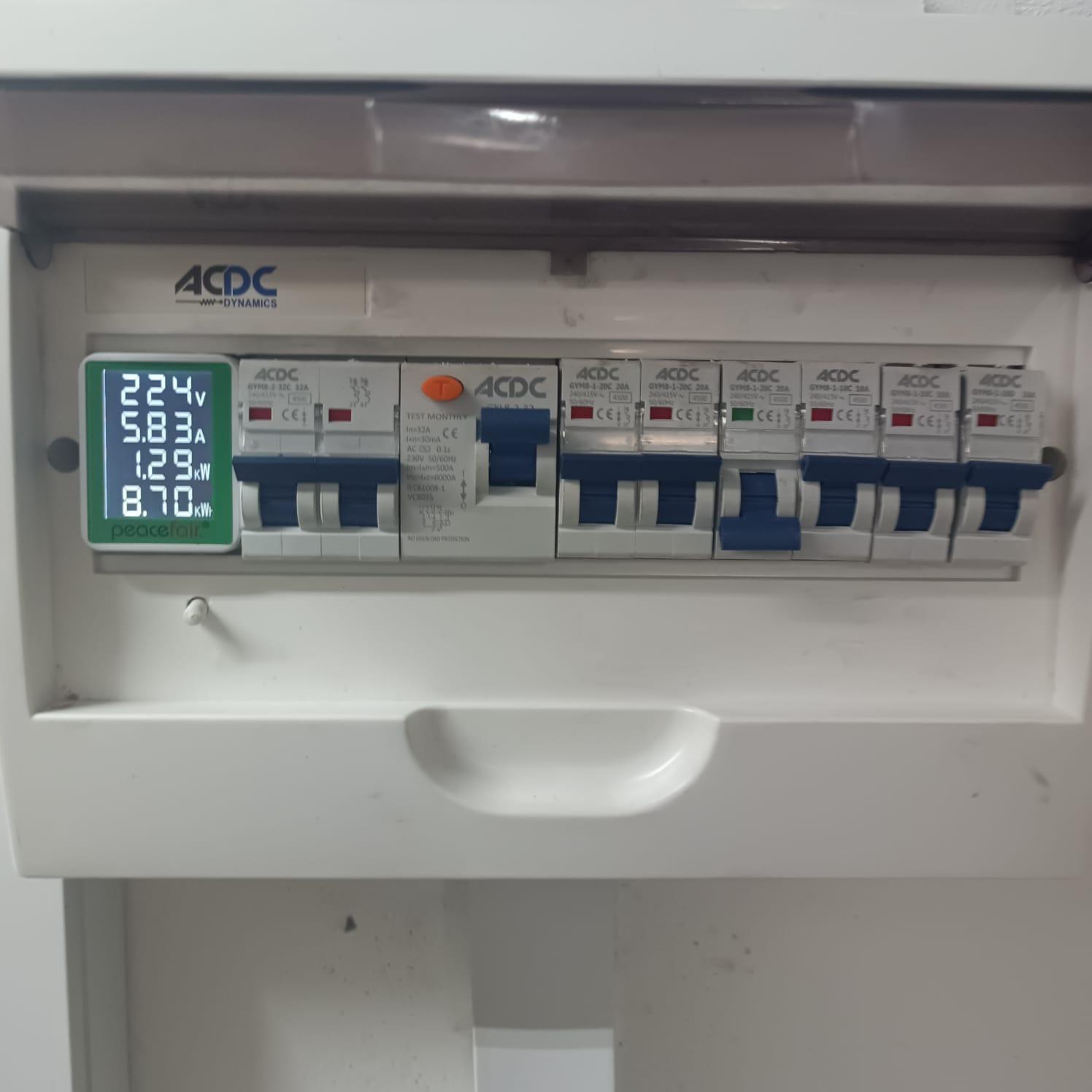
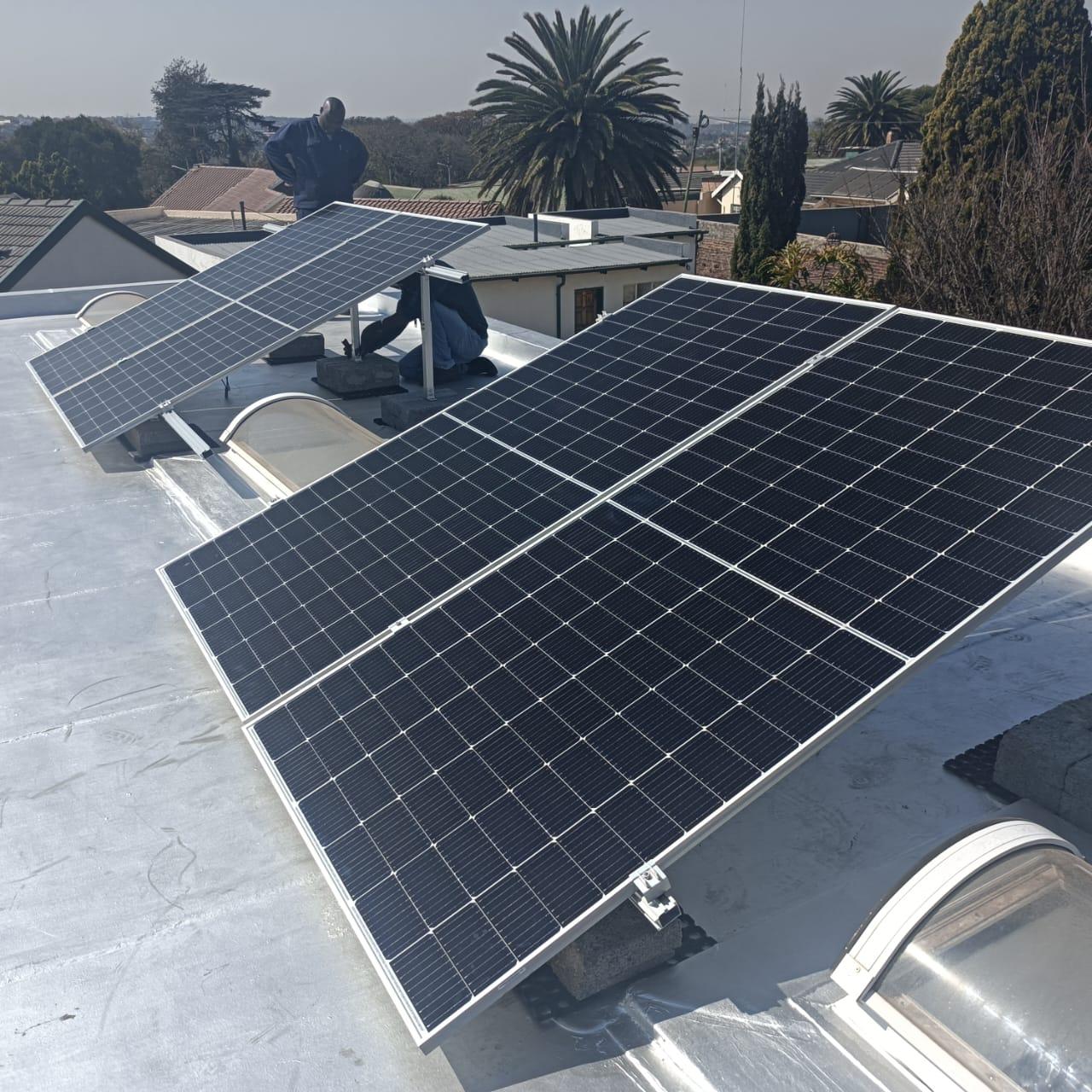
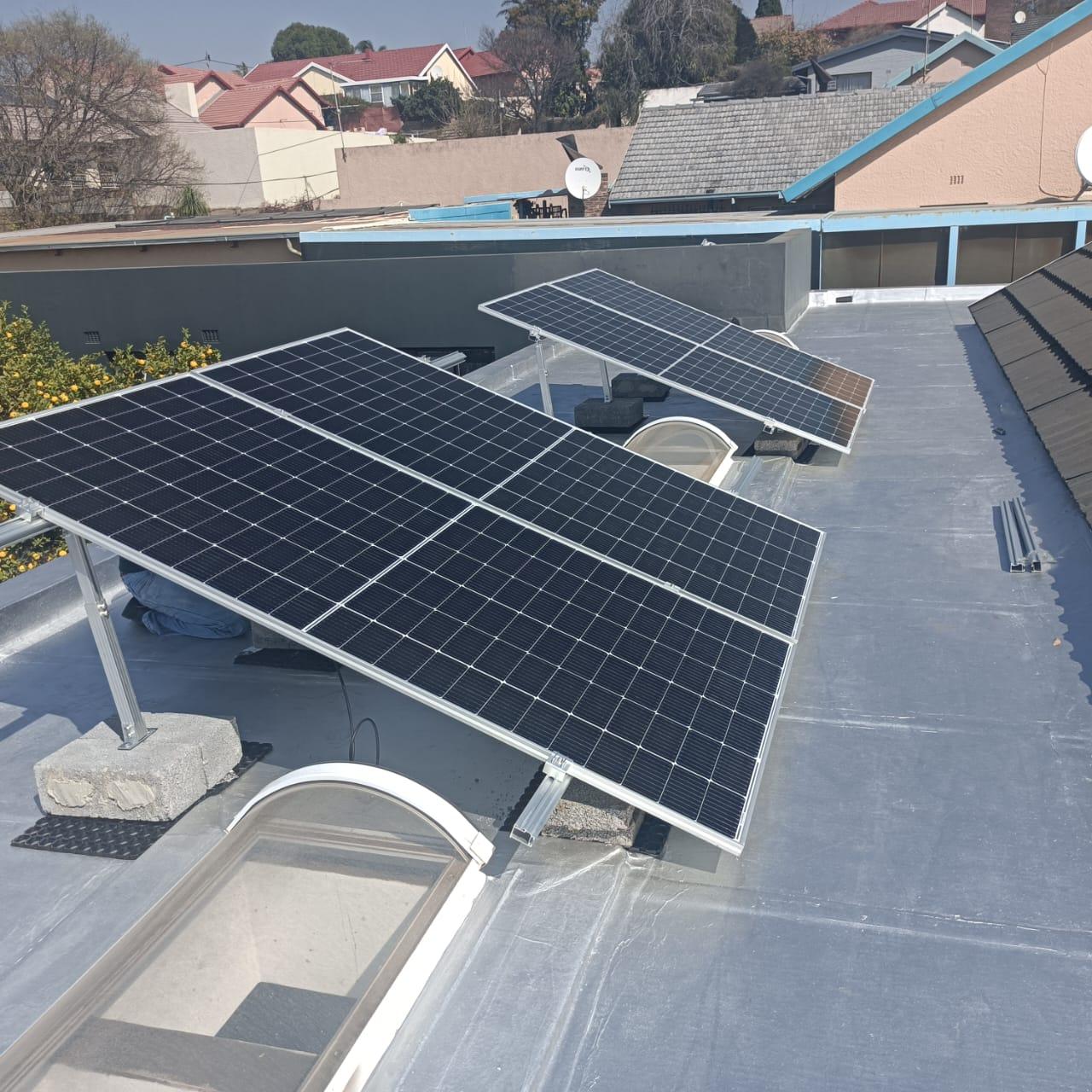
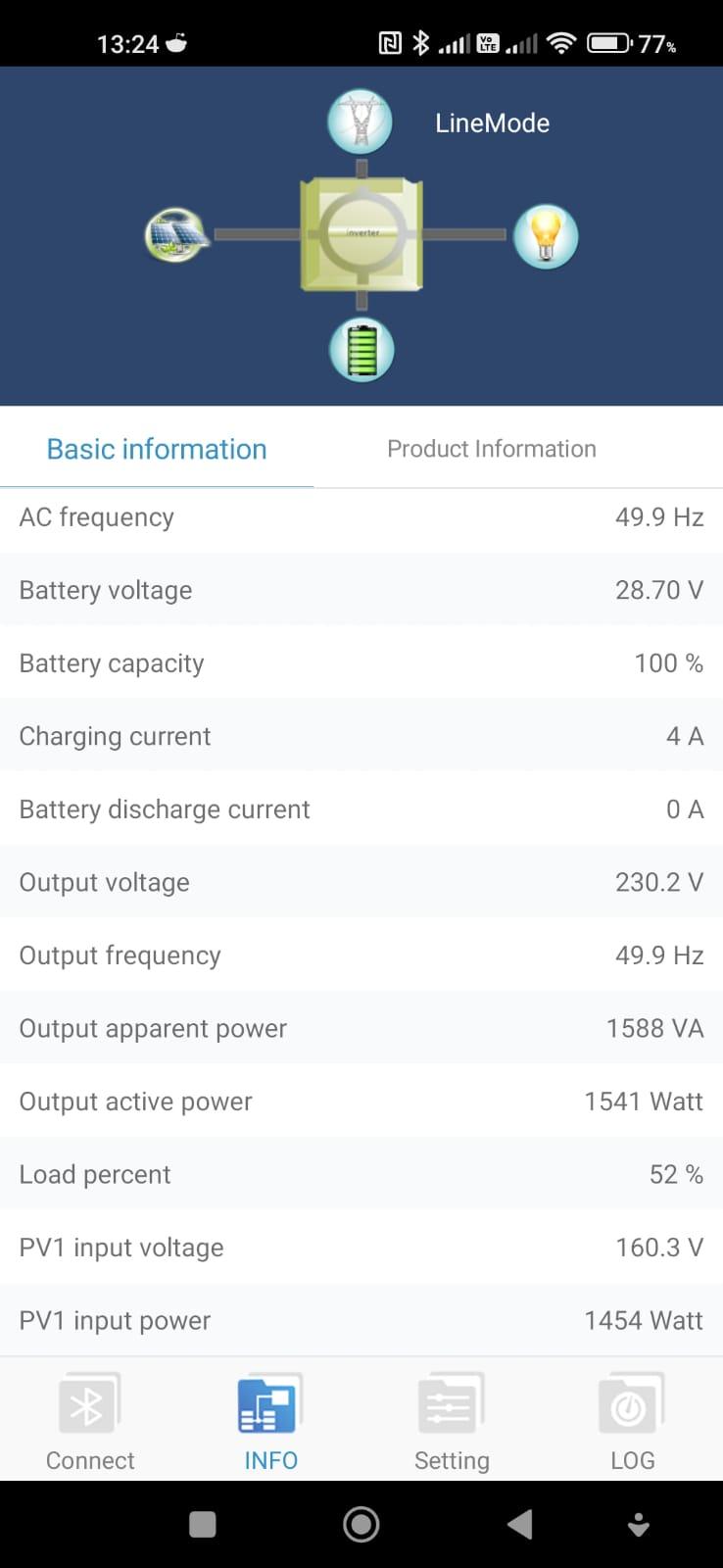
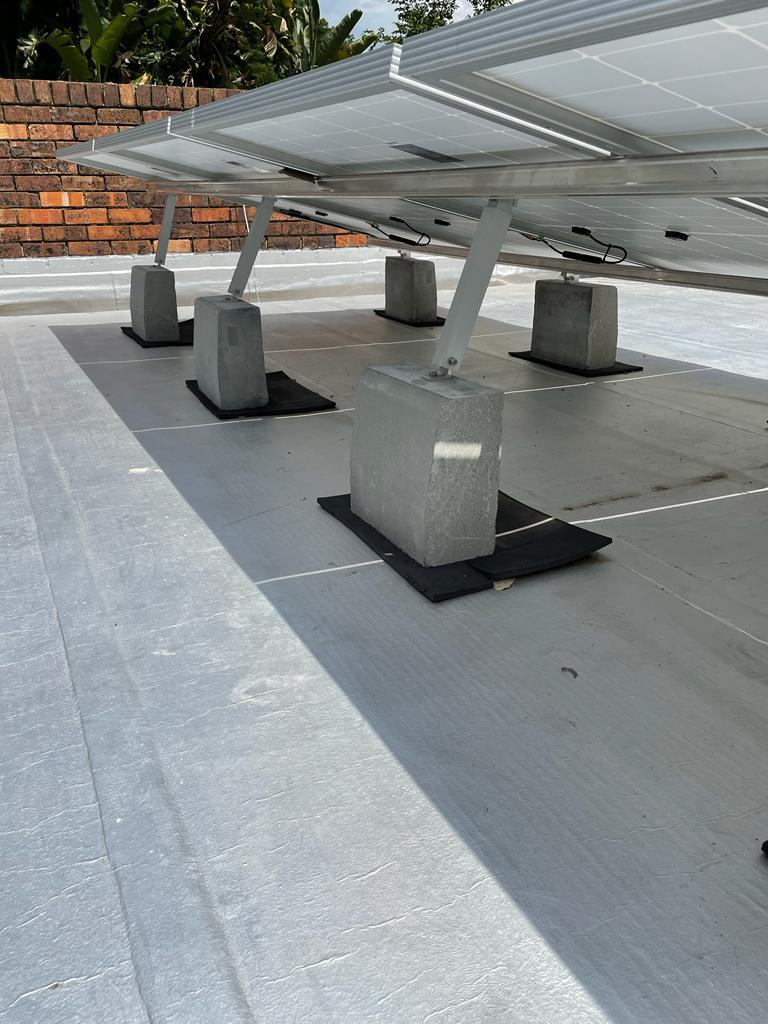
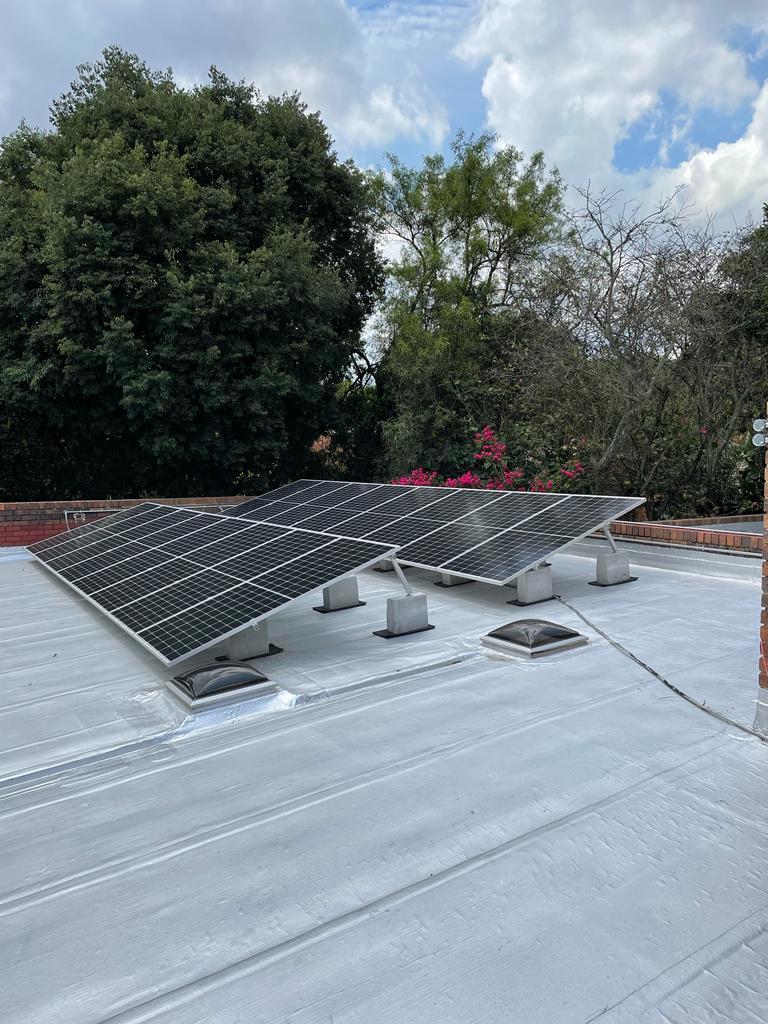
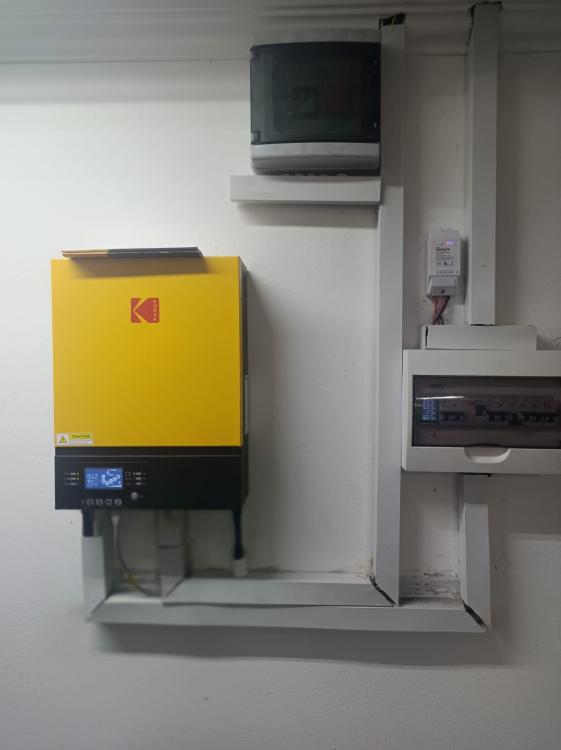
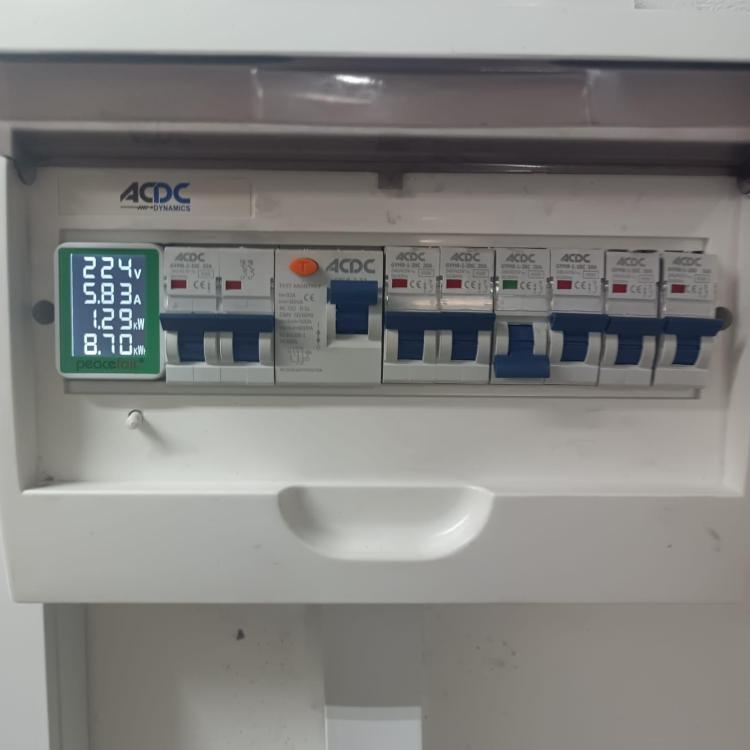
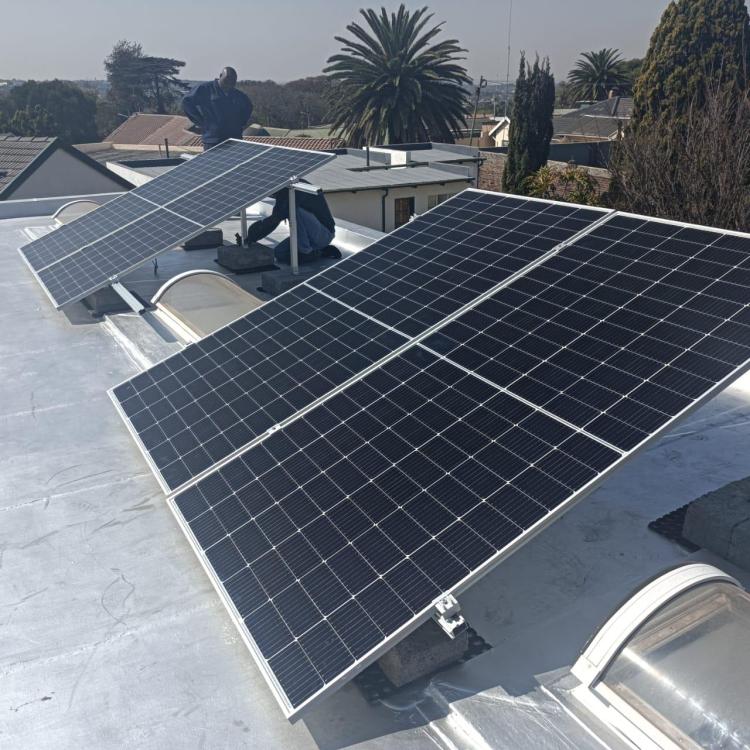
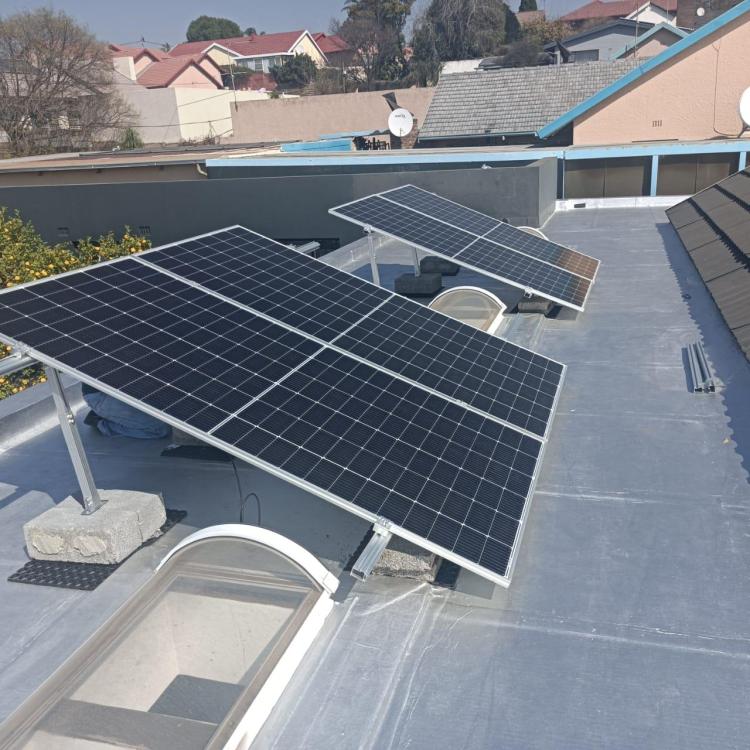
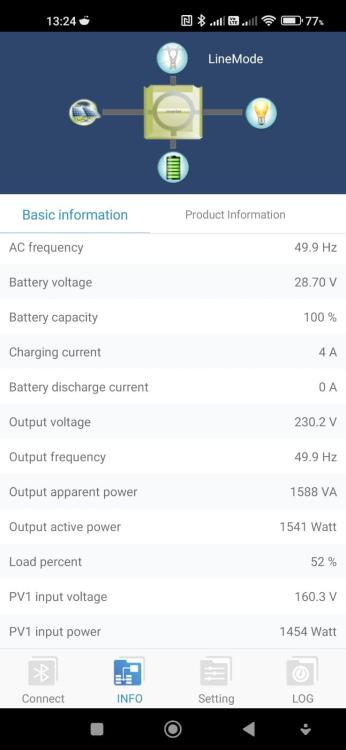
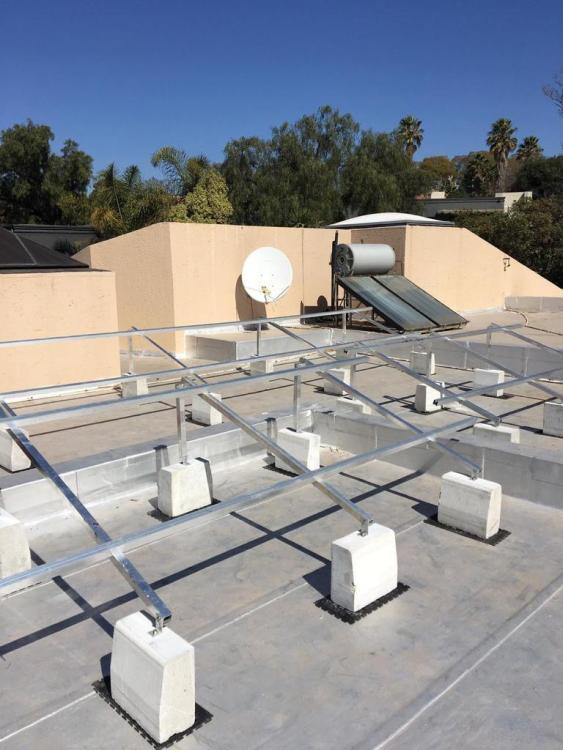
Hi All. Thought I would share some updates of our small 3kw system. First of I separated AC and DC wires from original install. Also added mains and EL breaker plus a watt meter to my essentials DB. Top DB is PV combiner. The panels we added was 4 off Canadian solar 550w panels. They are weighed down with cement blocks as we cannot fasten them to the roof due to the waterproofing. Performance is good, can carry load from solar, but there are some issues being discussed here If it ever gets solved it will be updated on that post. Whats Next: Waiting for some parts from Geewiz and takealot too add geyser to system aswell. Will be a separate post but linked here. Then finish up and neaten the conduit.
-
1 x Giter 2500-24 100ah LifePO4 battery. BMS is functional Correction. BMS was not functional at time of vid
-
Hi all. I have a Kodak VMIII 3kw inverter. As the loads are powered by PV, it constantly fluctuates and uses the grid or battery to stabilize the power. Linked is a video where it constantly charges and discharges the battery to stabilize load. The load was a constant 1,1kw and did not fluctuate during this video. Is this normal for these inverters? TIA
-
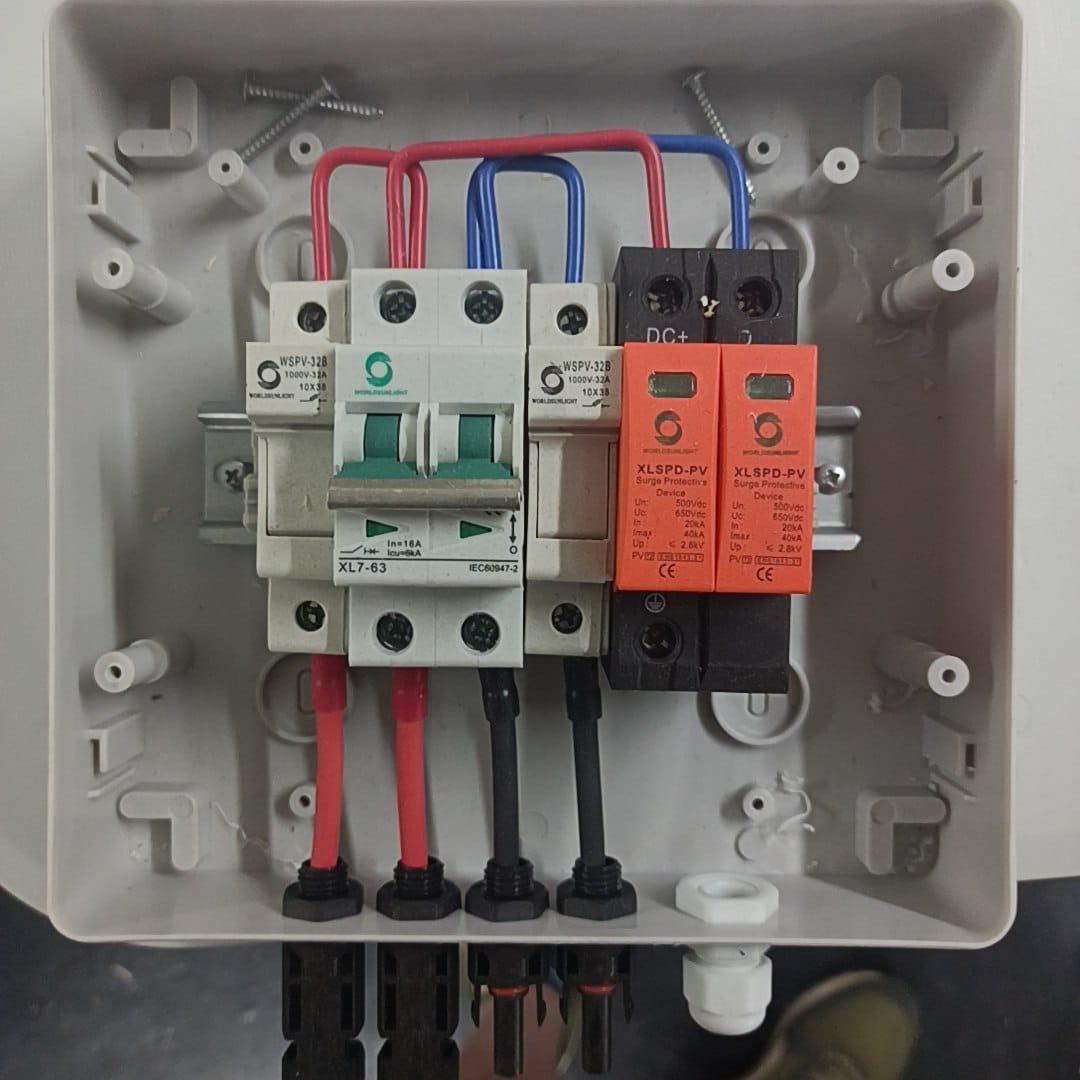
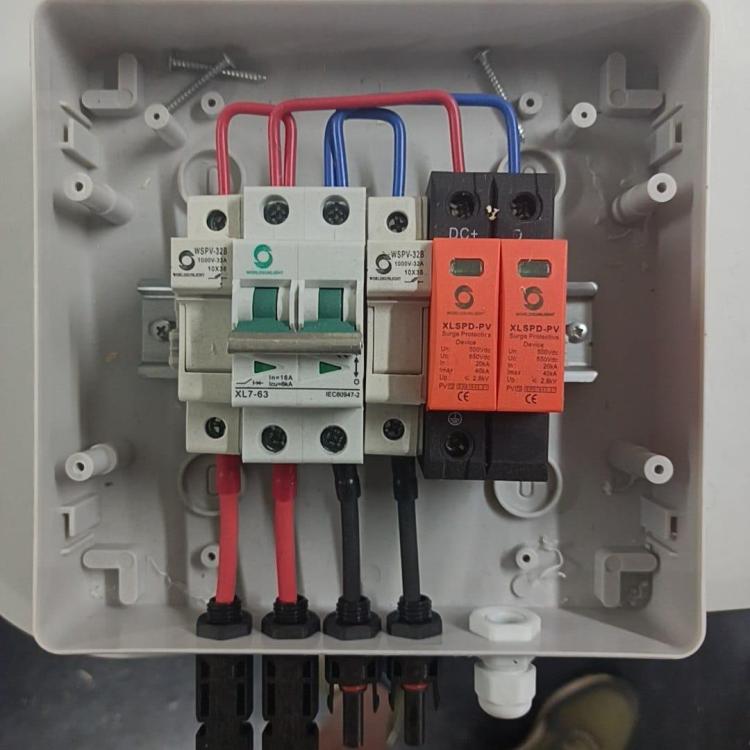
Hi all. I have this PV combiner box and just want to double check the correct way of wiring. Is it: Panels>Breaker>Fuses>Inverter or Panels>Fuses>Breaker>Inverter My gut tells me its Panels>Breaker>Fuses>Inverter because if you want to replace the fuses, you disconnect the panel power feed via the breaker and then you can change the fuses. TIA
-
Item Wanted: Giter G2500-24 Packaging Essential: No Desired Age: 1 year max Location: Gauteng Willing to accept a shipped item: TBD with seller Ballpark/Budget Amount: R8500 ea


-
Thanks, doing something similar. We are splitting the panels into pairs. Thus 2 and 2. Each pair will have about 150kg total weight weighing them down. From what I have seen with other installs this should be adequate.
-
Unfortunately if we drill we void the warranty. Thus if any leaks or damage occur, regardless if it was from the solar panel mounting, they would just say not our problem.
-
Thanks. I do see the error I made. Made some cement blocks and will probably end up around 150kg per 2 panels. From other installs I have seen this should be adequate.
-
No, I am in Alberton, south of JHB
-
Hi all So we have a flat concrete roof where we want to mount our solar panels. This roof has rubberised waterproofing on. According to the manufacturer we should not drill through this waterproofing barrier as it can't be resealed properly and leaks/water damage will occur. Our next (and probably only) option is to weigh down the solar panels. The waterproofing installer suggested concrete blocks to which he sent me a few picture, I have attached them. My question is what will be a suitable weight, bearing in mind that I will most probably NOT overload the roof itself. So here are my calculations: The panels themselves are 4 x Canadian solar with a size of 2,278m x 1,134m and max wind resistance of 2400Pa Panel pressure is Pa/m^2 = (4 panelsx2400Pa)/(4 pannelsx2,278x1,134) = 9600/10.333 = 929N I will only be considering the back side as weighted and other side fixed, and also be using 5 blocks on one side. In reality I will use 10 blocks, 5 front and 5 rear, but for the purpose of calculation I will only consider the 5 blocks on the rear side. Thus 929N needs to be distributed over the 5 weight blocks. pressure/gravity = mass > 929N/9.8 = 95kg 95kg / 5 blocks = 19kg per block. I will add 20% as a safety factor. If I made a mistake please let me know, SIde note. I have it on good authority that Gosolr also weigh down their solar panels with 35kg blocks between 2 panels. So for 4 panels they will probably use 3 blocks for a total weight of 105kg.



-
My string is 4 panels in series. Limit is 16amps per string. No parallel string wiring inside the box. Single connection in, positive and negative. Single connection out, positive and negative.
-
Hi all. Has anyone ever bought and received anything from https://suntrix.co.za/ they have some decently priced panels that I am interested in. I did require about the panels and was able to get a spec sheet. Did attach for reference. q-cells-data-sheet-qpeak-duo-xl-g10d-475-495-2021 (2).pdf
-
Hi all Just a little feedback. I decided to take a chance and order a PV combiner box 1 in 1 out from them. Ordered on wednesday and received the following friday. Shipping was an additional R99. Contact person is active on WhatsApp. Can recommend. For reference, this was my purchase: https://rough-tech.com/products/combiner-box-1-in-1-out
-
Hi All. Has anyone bought from https://rough-tech.com/ or have any opinions about them. They have a PV combiner box that is quite well priced that would suite my needs. TIA
-
Hi all. Just a question on wiring up a Kodak OG 3.24. i am not experiencing any issues, just want to make sure everything is right. I have ran the AC wires from the non-essential loads DB to the inverter with its own dedicated breaker. The earth wire goes from the non-essential loads DB to the battery and the Inverter. From there all three wires from their own feeds go to the essential loads DB. Is this the correct way or should I drive in a new earth spike outside and connect the inverter and battery to this earth spike instead of the non-essential loads DB. TIA
-
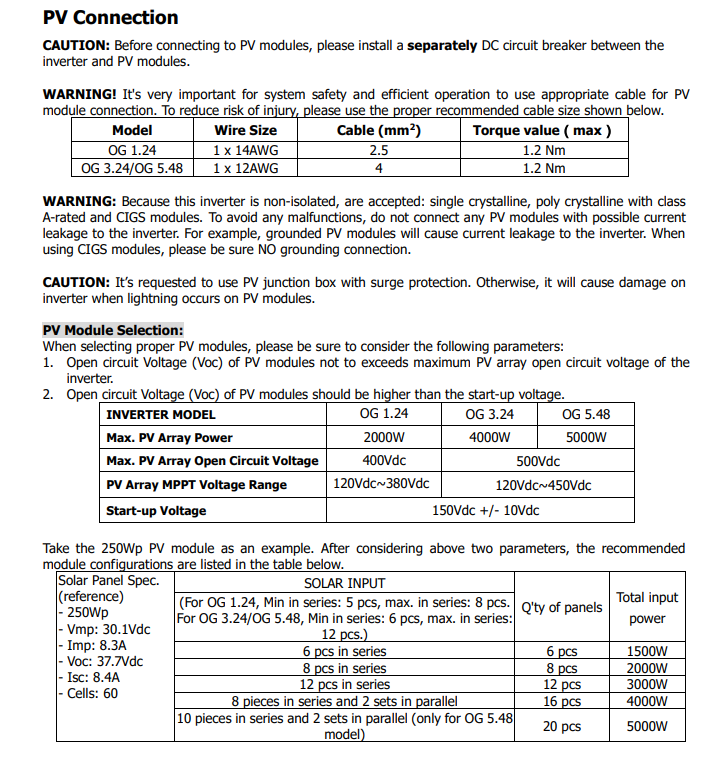
Hi all. Starting my reseach on installing some panels with my Kodak OG3,24. For reference here is the PV page from the manual. So I was considering 4 to 7 Canadian solar 545w panels all in series with a 25A DC fuse connected just before the inverter. This should put me in the voltage and wattage range. I just need to know about the grounding. The manual stated no grounding, but the panels have a dedicated spot for grounding. Do I use different panels that don't require grounding (if there is such a thing) or do I just not ground the CS 545 panels. TIA

-
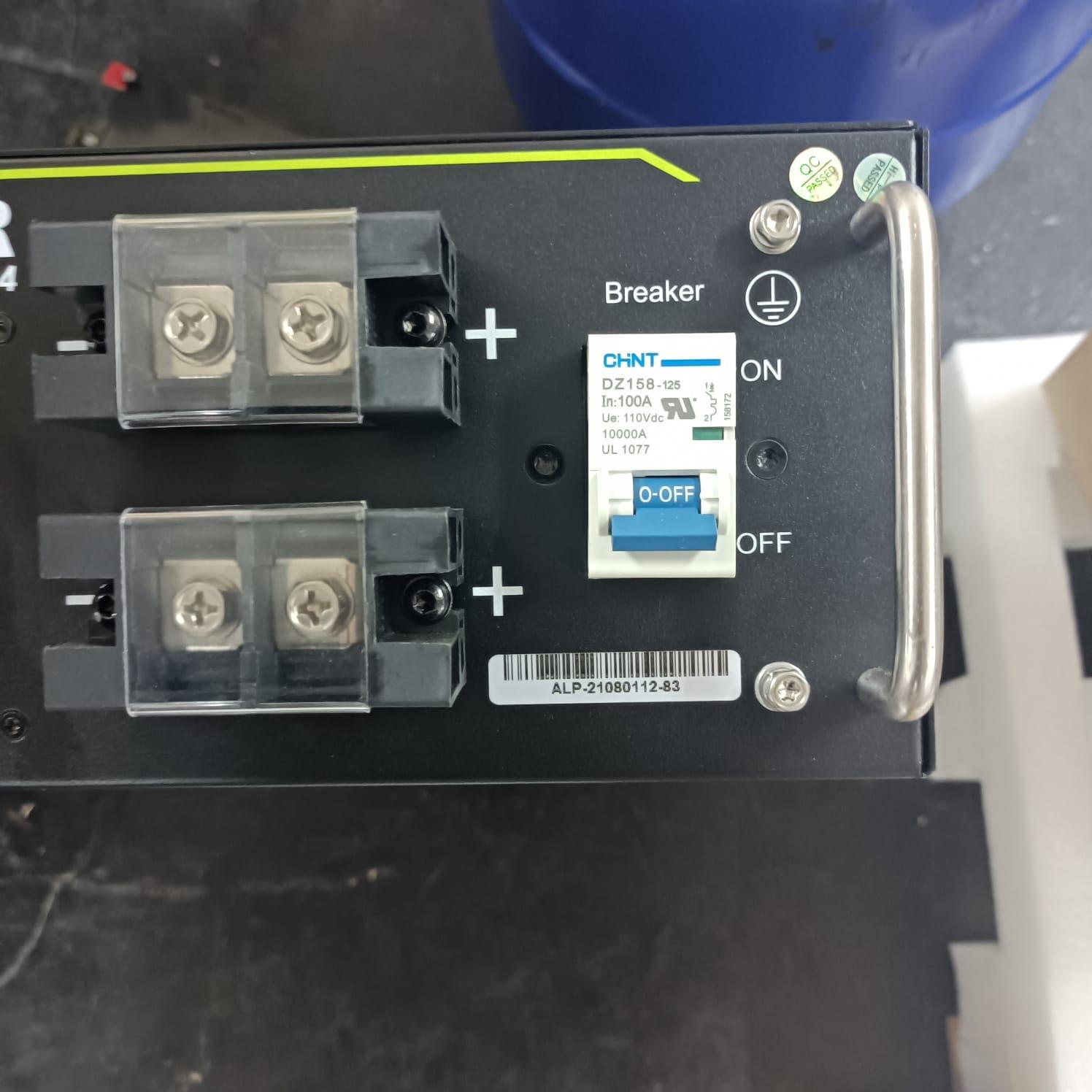
Hi all. I need to install a DC breaker between my battery and Inverter. Its a 3kW inverter - Kodak OG3.24 running on 24v. - Giter g2500-24 (min 25,6v to be be specific). Now the manual doesn't explicitly say what size breaker to install, only that typical amperage is 142A. Below is from the manual Now here is where I get confused. If I do a simple calculation of Inverter surge/battery min power I get 6000W/25.4v = 236A So do I install a 150A breaker due to the typical amperage or do I Install 250A to cover the surge. Or split the difference and install 200A

-
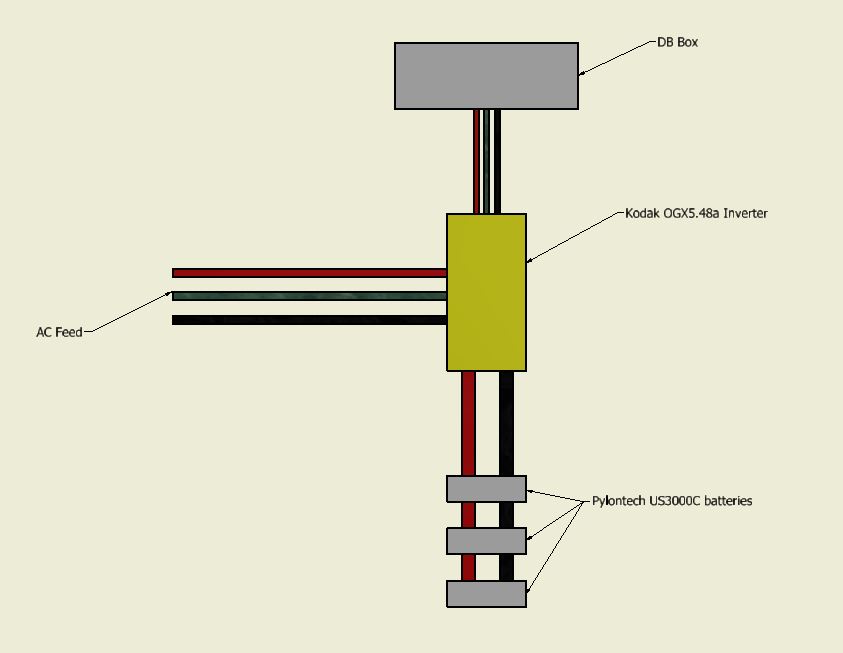
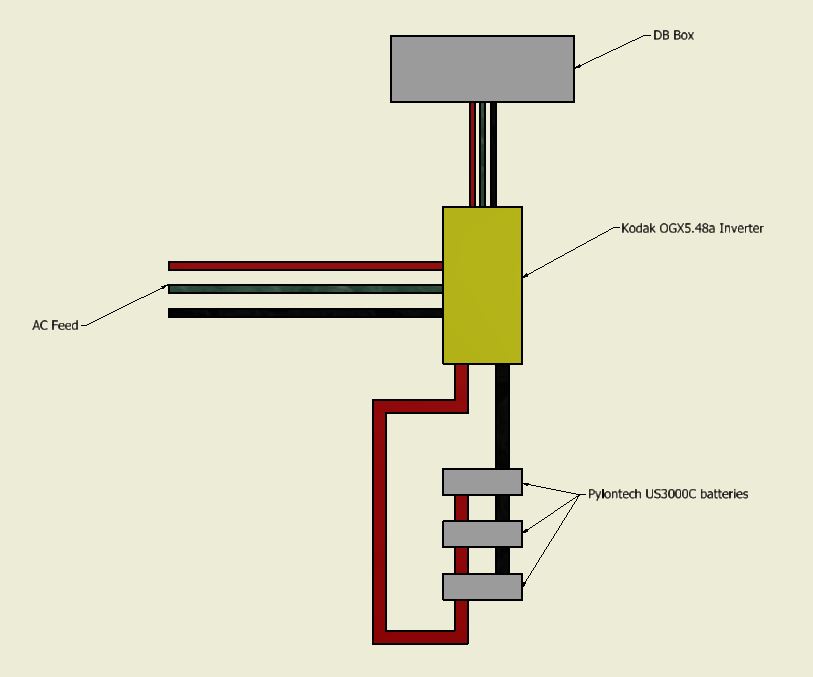
Hi All So a friend of mine has a backup system consisting of a Kodak 5kVa inverter and 3 Pylontech batteries. When there is no loadshedding the inverter works fine regardless of the loads and doesn't trip. When there is loadshedding and the same load is drawn from the inverter, it trips. I suspect it is the way the batteries are wired up. this is how it is curently wired. (I know that the drawing lacks the correct breakers and such, please note they are installed. This was just to illustrate how its wired up and please focus on the battery to inverter section. This is how I think is the correct way. Input will be appreciated, thank you
-
This is just my suggestion and I'm not an expert Please read my experience with a 24v system here I don't think to such a large inverter will give you any benefit if you are only using 350w, so save some money and stick to a 1kw system. I would suggest this combo of inverter and battery (I am only using sustainable links because I like that the website has alot of products and gives info of the products, once you have made a decision you can shop around and get better prices) Reason for that combo is the inverter has a max output of 1,2kW. Just that extra 200W for extra piece of mind. The battery has a 1C rating, so can discharge at the max the inverter can handle. Also 1,5kWh battery @ 350W discharge should give you 4-5 of power. If not you can have 4 batteries in parallel.
-
That is true. But the plan was always to add more batteries and panels as funds are available. A 48v, 5kW system just makes adding more items easier as it takes the fine tuning out of the equation. Only pointed it out so people don't go into the buying process with the same mindset I had of "5kW is too expensive"
-
Currently considering a retrofit to our existing geyser like the geyser robot system, but still in the research stage. If I go the grid tie route I will probably upgrade our inverter to a 5kw and larger battery, and sell this to try and recover some costs. But that will only be to run the washing machine extra, dishwasher and tumble dryer I don't view as a necessity so can go without during loadshedding. Thanks for the input
-
So a few months ago just before the first rounds of stage 6 loadshedding we(wife and I) installed an inverter and a single battery. Our main issue was costs and needed to keep it low. We opted for a Giter 24v lithium battery (Giter G2500-24) and they only work with Kodak inverters, so that is what we got (Kodak VMIII OG3.24). One of the reasons we also opted for this is that the inverter is strong enough to also run out pool pump, 0.75kw, directly from solar panels during the day. We don't have panels yet but will get in the near future. We did purchase from sustainable who I know is not the cheapest, but figured it was one of the safest in that I would actually get my items. An electrician friend helped me with the install. We decided to split up our DB board and run certain items permanently from the inverter. These include all the lights which are LED, the 1 fridge, tv, media box, fibre router, alarm, garage motor, gate motor and a few extra plugs for the office and charging of phones, laptops and tablets. So how does it work? Brilliantly. Alot of the times I wouldn't even realize we are having loadshedding until I hear the microwave powers back on and beeps. How long does it last? We only experienced a major power failure once where the battery switched itself off to not drain completely, but that happened after about 10 hours of use. How does it handle stage 6 loadshedding? Very well. It takes about 30-45min for the battery to recharge for every 2,5 hours of loadshedding. So with stage 6 at 5 hours the battery is recharged within 2 hours. Would I do it again? Yes and no. Even though we are happy with this system and it meets our needs, it doesn't quite do with our wants. If we want to add more appliances i.e. dishwasher and washing machine, it gets too close to max power usage to do it comfortably. We already have a gas stove/hob so cooking isn't an issue during loadshedding. At the time of writing the 5kW Kodak inverter, my inverters big brother, is about R2000 more, however the 48v Giter battery is cheaper than mine, but is sold out. Price wise in total R1000 more, however I am not sure if this was the case when I purchased as I didn't check on such a large system. Other items e.g. second DB box, breakers and cables would be the same as I ended up installing cables for a 5kW inverter. Maybe subconsciously I was future proofing. What was our total cost? All in running as it is now, R33000 So what is next: Solar panels. I can add 4kW of panels. After that would probably be a solar conversion to our geyser.