sjp100
Members
-
Joined
-
Last visited
Everything posted by sjp100
-
Sigenergy SigenStor is IP66 rated. 6kW inverter and 9kWh 0.5c batteries which stack underneath inverter.
-
Had the same issue of fridge light flickering. Was fixed when I sorted my Earth/Neutral bondHi all So according to the spec sheet the Sunsynk Powerlynk X and XL can handle a bypass current of 40 amps. Does this mean that if Eskom is connected the inverter can handle loads of 40 amps without an issue for extended periods of time, eg the entire day? Obviously once Eskom fails you are reduced to 24 amps (for XL model). Also what does "Output THD (Resistor Load)" mean? I am assuming it has to do with power factor, in this 3% case 0,97 leading to 0,97 lagging TIA
 Hi all. My system is a kodak VMIII 3.24 with 2 x Giter G2500-24 batteries and 4 550w solar panels So I had a 1 Giter battery running since May 2022 and wanted to get a second battery to increase capacity, unfortunately the batteries were removed from market and I was unable to. Fast forward to December 2023 and I was able to source a used battery. I connected it up and realized that my old batteries SOH (State of health) is alot worse that the newly sourced one. Reason being is I didn't realize my BMS was not set up correctly and invertedly I overcharged the cells. Here is a small table I made comparing the 2 batteries. The BMS is now functional so SOC comes from that info and kWh from a watt meter I have connected. Top battery is my old original, the bad one. Bottom battery is the newly sourced one. As you can see the performance difference is quite significant. I want to know if I can salvage this? Option 1: Setup the bank and run it like it is. Bottom battery (good battery) is new master and feeds with positive wire to inverter. Top battery (bad battery) is slave and feeds with negative wire to inverter. this does cause varying depletion as the SOC's in both batteries don't correspond when inverter is powered by battery only Option 2: Both positive and negative come from master and it works harder that the slave, hopefully this will balance it out more. I don't mind being limited on discharge current, I just need more capacity for the long loadshedding hours and the inevitable power outage through the night. Your inputs will be greatly appreciated. TIA
 Thank you, I had the wrong profile selected. It is working now ass it shouldThat just seems like another sigh that the BMS is not workingHi all. I have a kodak VMIII OG3.24 paired with 1 off Giter G2500-24 battery So I recently noticed quite a high discrepancy between my battery SOC led's and what my inverter is reporting. The led's will indicate a SOC between 75-95% (4 led's on) while the inverter shows battery capacity at 47%. Also there is no indication on the inverter screen that BMS is functional. Even if I unplug the BMS cable nothing happens, no errors, no led's going on or off, no change at all. If someone can shed some light I will appreciate it. TIAUsually it is because of the waterproofing warranty on the roof itself, or at least that is why I didn't drill through mine. Once you drill through this, you loose your warrantee and any issues that arise from that is yours to fix and could cost more than you bargained for.@Marcodp I recently went through this excersize with my panels and I found this online calculater that aasisted me. https://www.omnicalculator.com/physics/wind-load Its pretty self explanatory. For wind speed look at historical data for the closest airport, usually posted on their website. you can add 20% (or more if you wish) to the max measured as a safety factor. Angle is the panel angle to the roof, about 30 degrees is optimal for South Africa year round. The rest is pretty self explanatory. Once you get the Newton value devide by 9.8 and you have the required weight in kgWill have a look a little later, I do have a wattmeter that measures power factor aswell.Not at all. They have been running now for a solid hour and still cool to the touch. They are quite beefy so not worried.
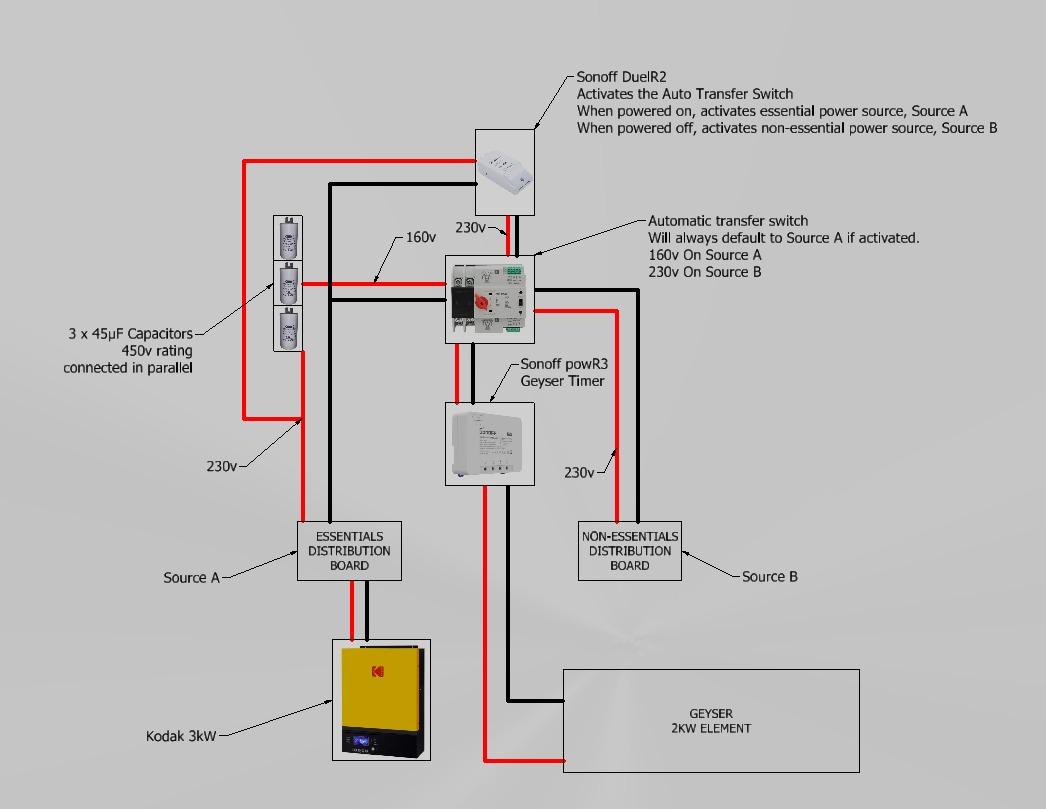
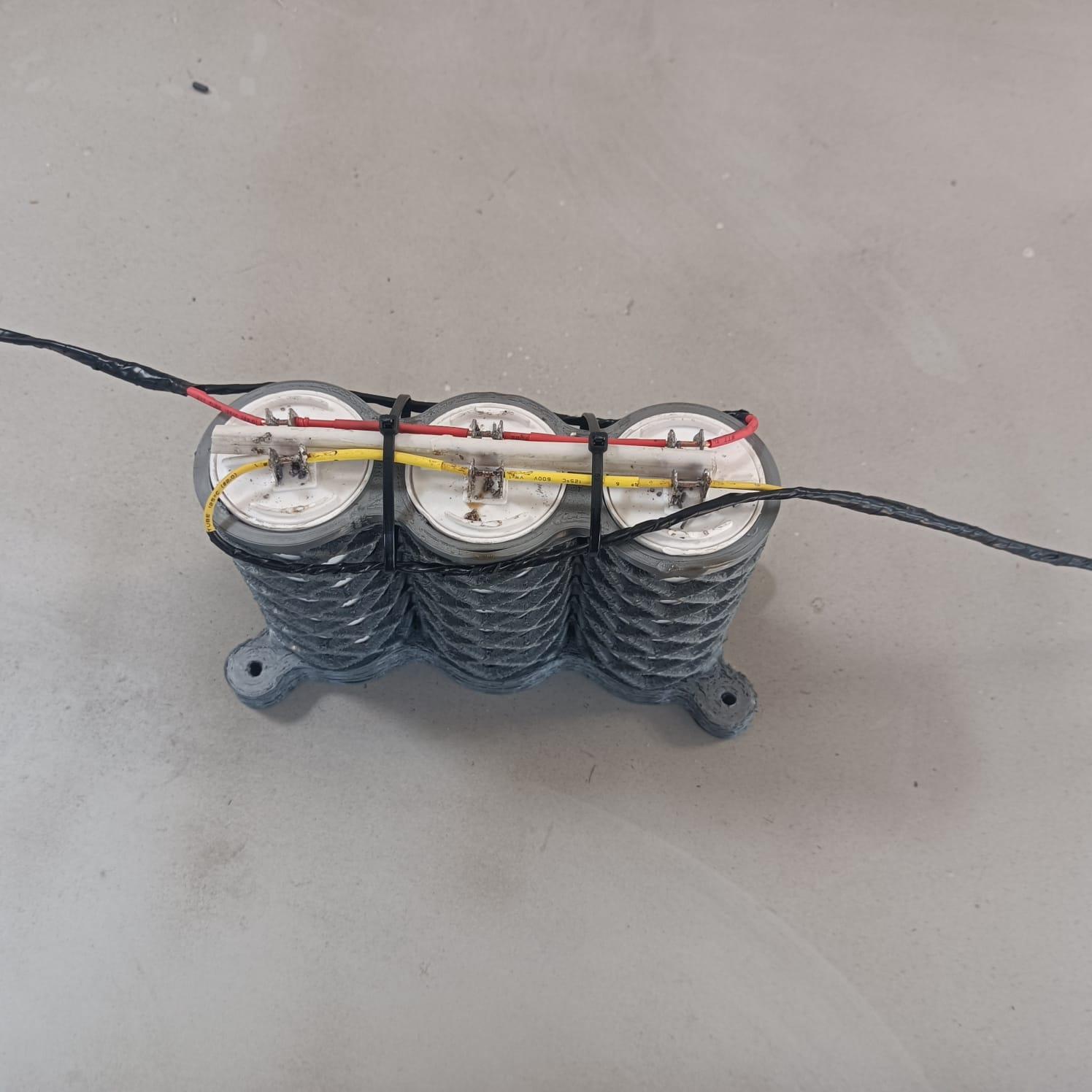
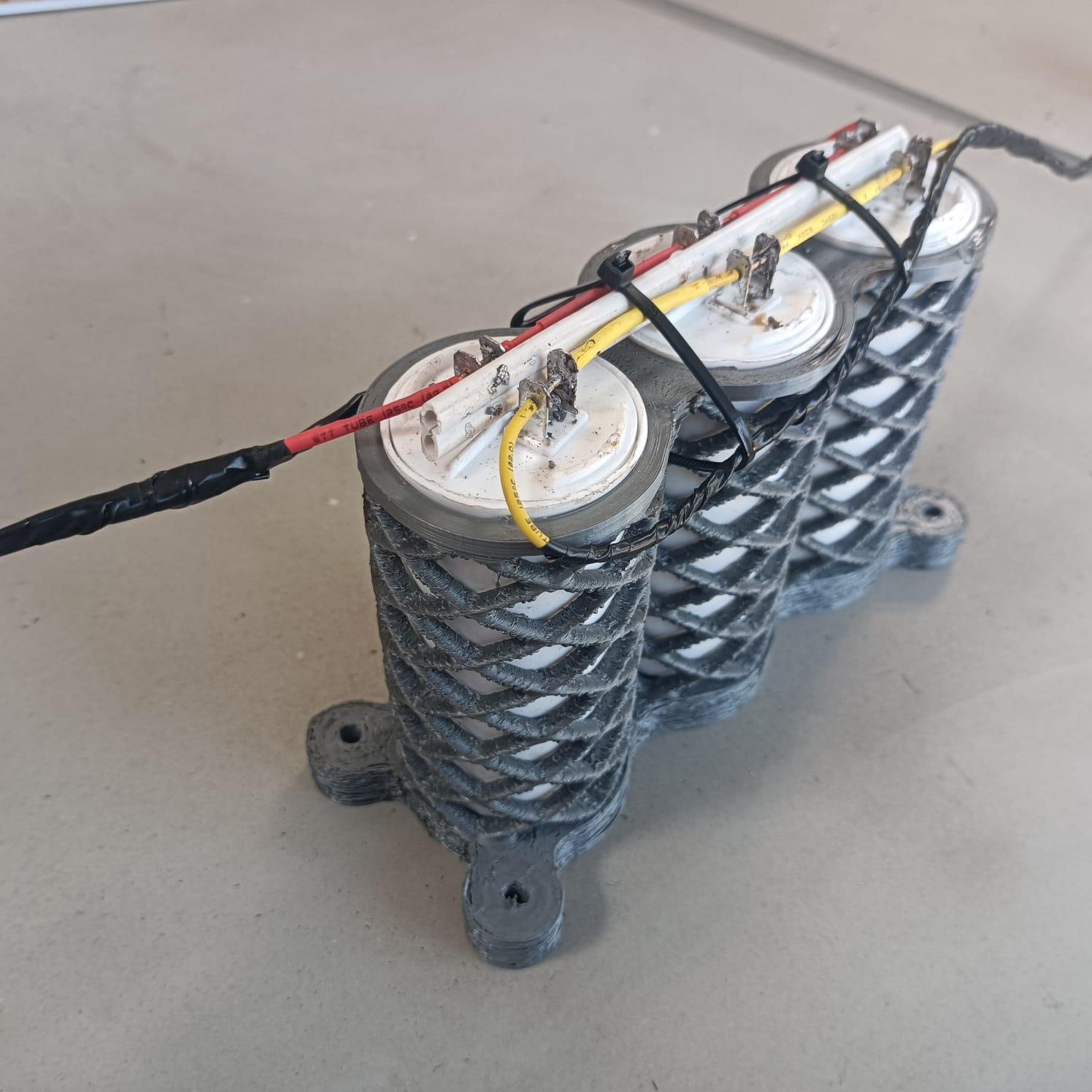
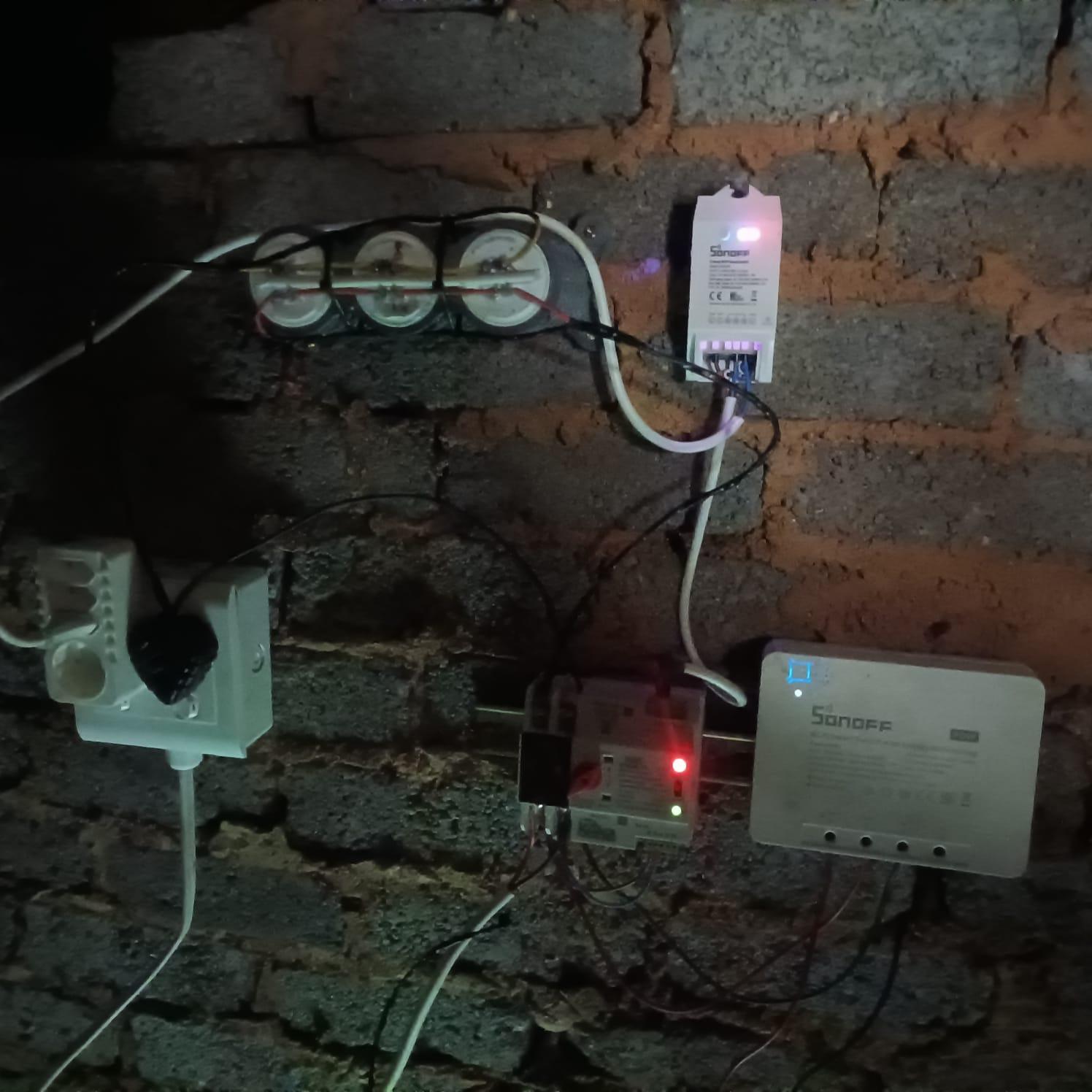
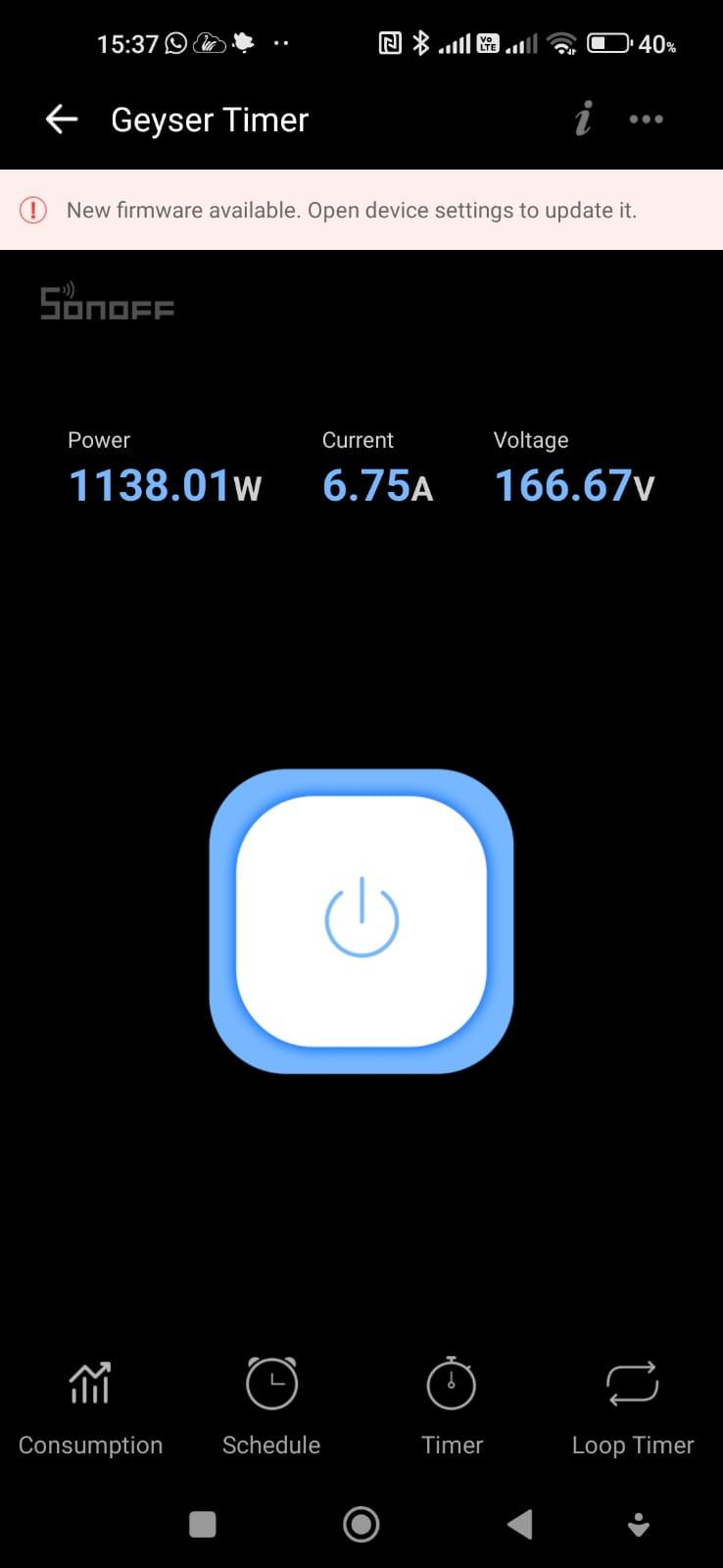
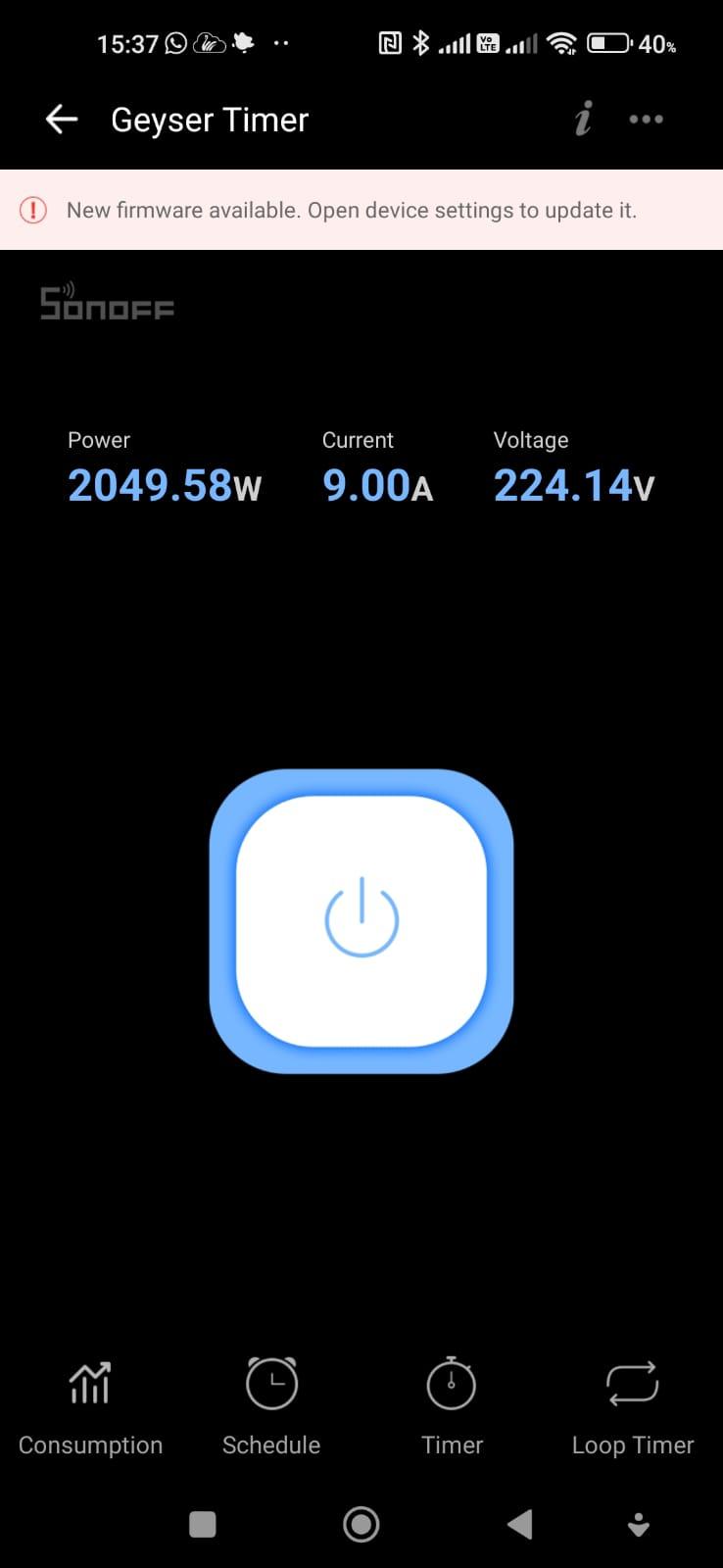
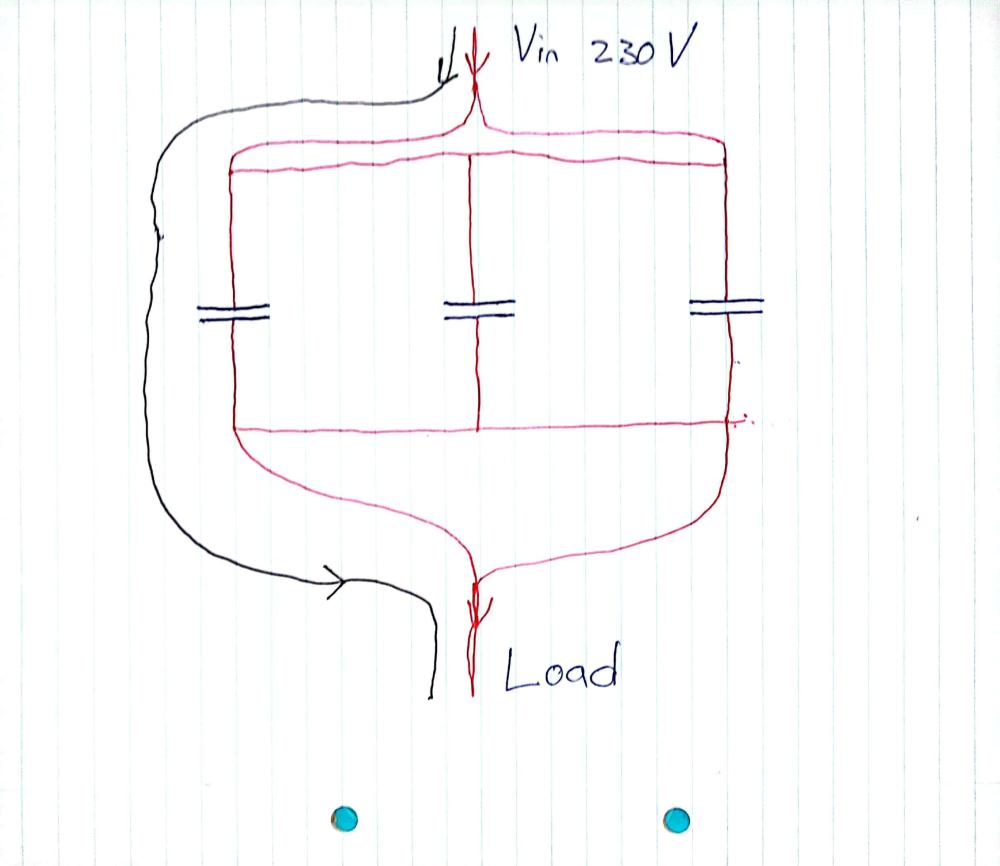
 Hi guys. I finalized my install over the weekend and added it to my main install post. You can view that here if you wish. once again thank you to @frivan @Scorp007 @markus_m2 @Modina @BritishRacingGreen @GerhardK83 @JustinSchoeman @TaliaB and anybody who I might have forgotten who assisted in this task. I really appreciated each ones input.So 1 final mod to our system. I derated the geyser element to run at around 1 kw via the inverter, and with an automatic changeover switch I can run it at 2kw from Eskom power. Everything is controlled via eWelink so I can manage it from my phone. Here is a sketch of the circuit. I will be adding a Sonoff loadshedding detector at a later stage to switch geyser and pool pump off when mains aren't available. This will save strain on my battery. Reason being can be found here 3 capacitors in 3D printed housing, I know it doesn't look pretty but it will be in the roof and no one will see it. Unfortunately I ran out of red insulation tape and heat shrink, otherwise I would have used that instead of the black and yellow. i did add a little solder to each terminal to ensure solid connection between wire and capacitor. Extra piece of insulation between the capacitor poles for added protection. Install in roof. Geyser running via Eskom Geyser running via inverter


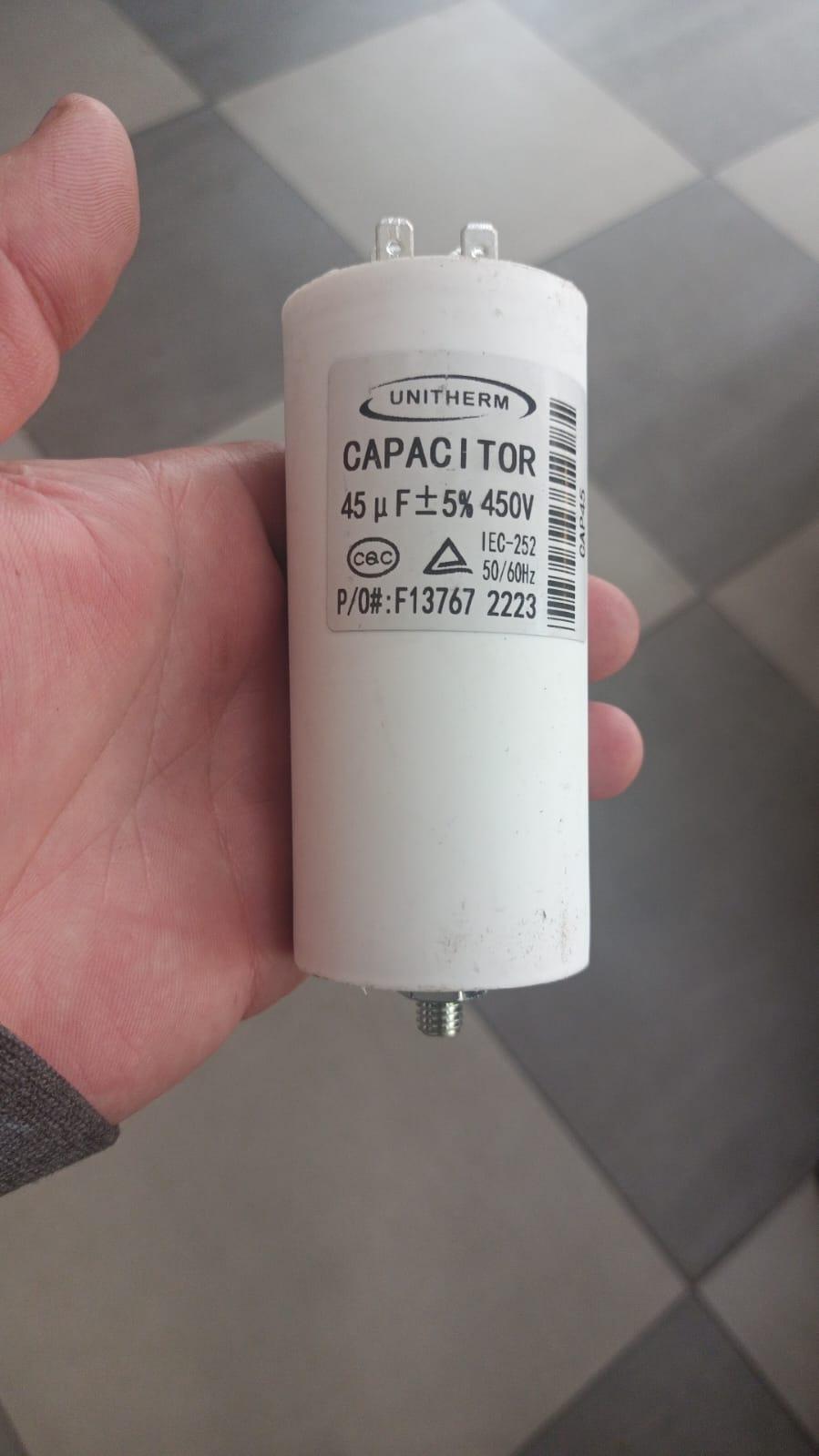
 IT WORKS. YOU GUYS ARE F**KING AWESOME!!!! 160v with the 3 caps. An unfortunate side effect is that the timer does not work on 160v, so I will have to rethink my circuitry. But huge thanks to each and every one who assisted.I know I actually need 6 capacitors, but wanted to check it it works with the 3, so I should see 118v with the 3. Everything is wired up, just waiting for loadshedding to end then I will check.Thank you. Will I only see a proper voltage drop once I connect a large load on it? Measuring with no load doesn't change the voltage. 230v in and 230v out.So wiring isn't my strong suite, am I wiring them up correctly? All 3 capacitors in parallel. They don't have any markings or so can't see if there is a designated + or - side, but since they are AC, I doubt it.
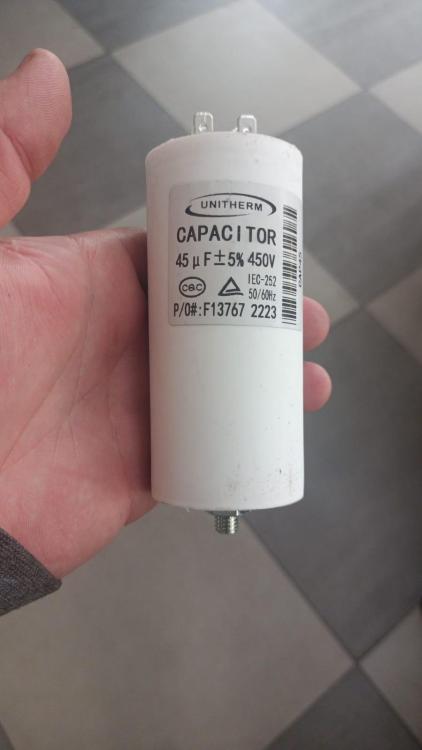
 Thank you. There is a Tecsa right around the corner from me so it suits me perfectly Quick update. Got 3 capacitors from Tecsa, all they had in stock. More available at other branches so will do a trip next week. Unfortunately they only have the start capacitors and don't stock the run capacitors. Kinda forced to use them but will keep searching for run capacitors.
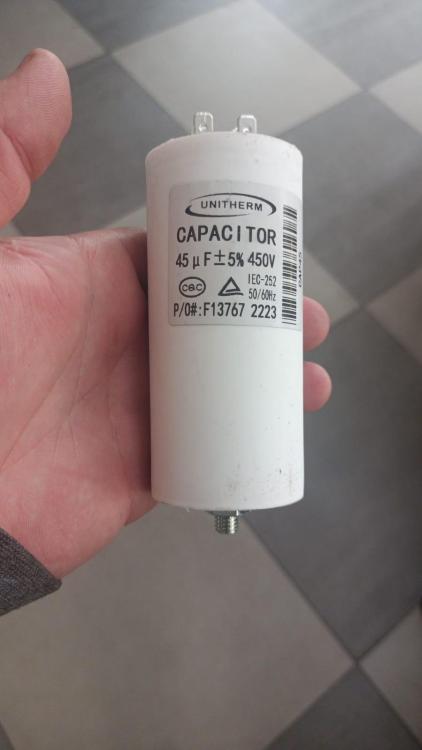 Thank you. Do you think the capacitor will work, or do you maybe have a different suggestion? https://www.glolighting.co.za/vossloh-schwabe-528555-89-capacitor-type-a-45mf-250v-with-250mm-leads-stud.html@SRY @abd7 Mind sharing the wiring diagram here. It seems that the kit is exactly what I am looking for. Should've probably read up a bit more before starting a new threadThe pool pump is a sonoff timer. Geyser is a red pole energy timer. Both work via eWelink. I will add the timeframes I wish them to be on or off, but obviously I don't want to change them with every stage of loadshedding. This will also solve the cases that loadshedding is skipped/suddenly changed or if there are random power outages.Unfortunately we can't. The blocks need to be moved for the waterproofing maintenance. According to my calculations we will need a wind of over 60km/h to move the panels. The highest wind speed recorded in our area was 26km/h.Hi all I am considering getting a Sonoff loadshedding detector as per link and wondering if it will be able to work in my case. I have 2 loads that I run through my inverter (Geyser and pool pump), but only wish to run them when Eskom power is available to ensure that PV is used as much as possible and any shortages come from Eskom power and not the battery. If loadshedding happens during a timeframe one of the loads is active, the loadshedding detector needs to switch off these loads. If Eskom returns, it should activate the load if it is within its active timeframe, with a 5 or 10min delay. Obviously because the loads are connected via the Inverter, their individual timers see AC power as always available. Will the Detector be able to do this? Hopefully @Sonoff Africa will be able to shed some lightAwesome thread, exactly what I needed. @Modina would you mind double checking my math please. I have a 2kw element that I need to run at 1kw. My element has a resistance of 25 ohm, thus: V=(P*R)^0.5 ... V=(1000*25)^0.5 ... V=158v Thus the capacitance impedance needed is Z_cap=((V_in*R_load)/V_load)-R_load V_load is the voltage over the element V_in is the 230V mains voltage R_load is the geyser resistance of 25ohms Z_cap is the impedance of the capacitor @50Hz Thus Z_cap=((230*25)/158)-25 ... Z_cap=11.392 ohms Thus the capacitance needed is c=1/(2*pi*f*Z_cap) ... c=1/(2*3.14*50*11.392 ... c=279uF Now from what I remember from Varsity, and according to monsieur Google, the capacitance is added together for capacitors in parallel, so 6*45uF capacitors like this one should be close enough, I can remove or add one if needed.